
In recent years, studies have associated overexposure to ethylene oxide (EtO) with the development of leukemia of all kinds. The toxic chemical is widely used in facilities, commonly for sterilization.
The people with the highest risks of health complications are those who work at facilities that use EtO and locals with homes near establishments with EtO emissions. If you believe your leukemia is the result of high exposure to EtO, you may qualify for a claim.
Claim ApplicationEthylene oxide (EtO) is a toxic chemical that has been used for sterilization and pesticides. The most common way a person is exposed to EtO is through inhalation, especially when an individual works in or lives near a facility that uses EtO.
EtO is identified as a Group 1 carcinogen by several organizations, including the EPA, IARC, ATSDR, and CDC. A Group 1 carcinogen classification means that EtO is known to cause cancer in humans.
Numerous studies in recent years show that EtO does indeed damage cells. The harm it causes to the body may lead to cancers like leukemia. Symptoms of leukemia may include:
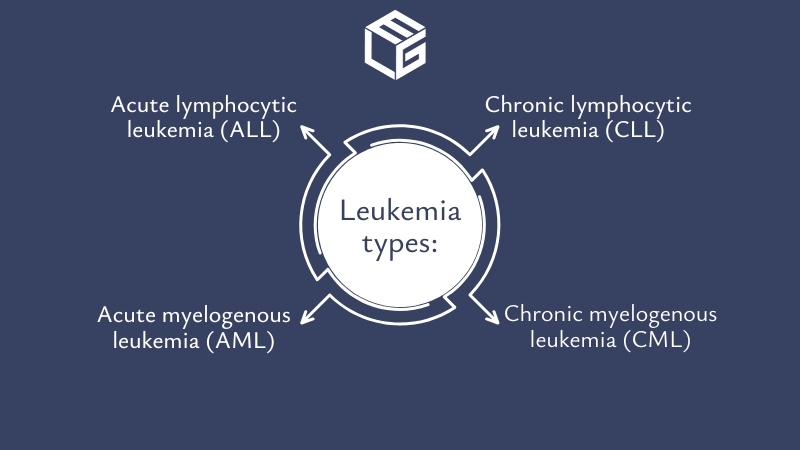
The Abramson Cancer Center of Penn Medicine lists four main leukemia types, which are as follows:
Leukemia develops through a multi-step process of genetic mutations and epigenetic alterations that disrupt normal blood cell differentiation. When ethylene oxide, a known mutagenic agent, enters the body through inhalation or ingestion (through contaminated food or items), the EtO molecules circulate via the bloodstream and reach blood-forming tissues in the bone marrow.
When EtO molecules reach the bone marrow, they chemically bind to DNA in blood cells by adding small alkyl groups to DNA bases. The process is known as DNA adduct formation.
These DNA adducts interfere with normal DNA replication, causing blood-forming cells to make copying errors that result in point mutations. When mutations accumulate in oncogenes and tumor suppressor genes, the affected cells can proliferate uncontrolled, triggering malignancy.
At ELG Law, we understand how a leukemia diagnosis can negatively impact the physical, emotional, and financial state of a person. Know that you may qualify for compensation to help with your medical needs.
An individual who receives any kind of leukemia diagnosis may be eligible to file a toxic exposure claim for ethylene oxide. If you believe your leukemia may be related to EtO exposure, talk to a skilled EtO lawyer at ELG Law to figure out the next legal steps you can take.
Furthermore, if you believe the death of your loved one may be due to leukemia associated with EtO exposure, you may also be eligible for compensation. Have our legal team evaluate your case to know for sure.
Monday – Friday
8:00 AM – 5:00 PM
Saturday & Sunday
Closed
