Practice Areas
Who We Help
About
Others
Blog
MDL updates, regulatory developments, and analysis from our attorneys, staff, and industrial hygienists — 284 articles and counting.

When people think about industrial facilities and chemical exposure, they often picture empty lots or remote industrial zones. The...
Naval Air Station Corpus Christi has operated as one of the Navy's most active aviation training installations for decades, proces...
Marine Corps Base Quantico has operated since 1917 and remains one of the most active military installations in the United States.
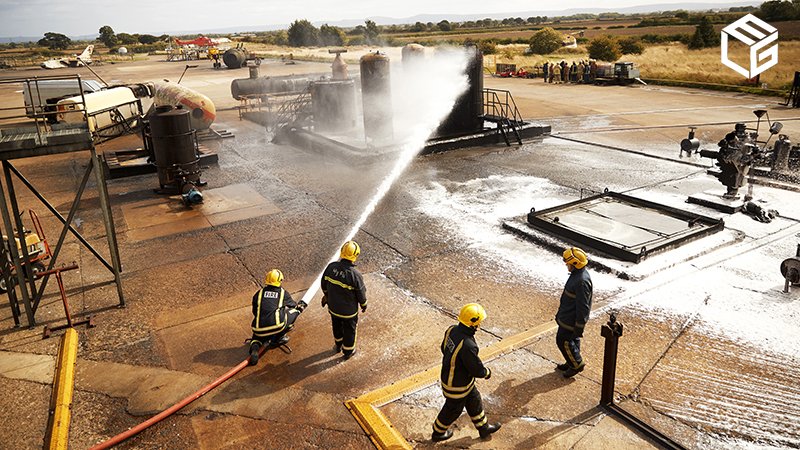
For decades, the Suffolk County Firematics Training Facility in Yaphank served as the central training hub for Long Island's volun...
For decades, residents living near the Baxter Healthcare facility in Mountain Home, Arkansas, have been in close proximity to a fa...
A breast cancer diagnosis is difficult enough on its own. When it arrives without a family history, without a positive BRCA result...
Naval Station Great Lakes has been the U.S. Navy's only boot camp and its largest training installation for over a century. Locate...
After the fire is extinguished, firefighters enter the overhaul phase, looking for hidden fire, removing debris, and preventing re...
For decades, firefighting research focused almost exclusively on men. A comprehensive study reveals a shocking demographic bias: f...
For decades, manufacturers and regulators evaluated firefighting foam safety based on controlled laboratory testing. These tests a...
Fighter bases had smaller and lighter planes than those at bomber and tanker bases. However, their frequent usage also required la...
The Knolls Atomic Power Laboratory (KAPL) in Niskayuna, New York, plays a crucial role in advancing nuclear technology in America....
For many workers at the BNSF Railway, routine exposure to hazardous substances can lead to serious health conditions that may take...
Military firefighters and veterans who served at tanker bases in the U.S. faced constant exposure to aqueous film-forming foam (AF...
Exposure to "forever chemicals" at Air Force bases is not just limited to tanker and bomber bases. Military firefighters and veter...
During the Cold War, hundreds of bomber planes and refueling tankers were either on the move or ready for action. With continuous ...
As of January 1, 2026, the use of AFFF has been effectively eliminated from Minnesota's airports. The measure forms part of a wide...
Like most major airports, the Minneapolis-St. Paul International Airport, often referred to as MSP, had once relied on AFFF. In ad...
With the goal of protecting future firefighters from the harm associated with constant exposure to PFAS-containing AFFF, Minnesota...
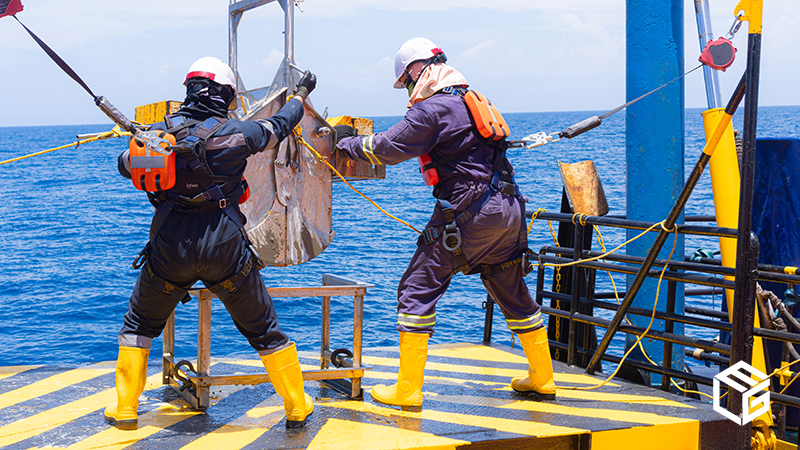
Every day, MSC crew members also face tremendous risks when navigating seas and other bodies of water in their line of work. That’...
Receiving a diagnosis of any asbestos-related disease is never easy. It comes as a flurry of medical appointments, second opinions...
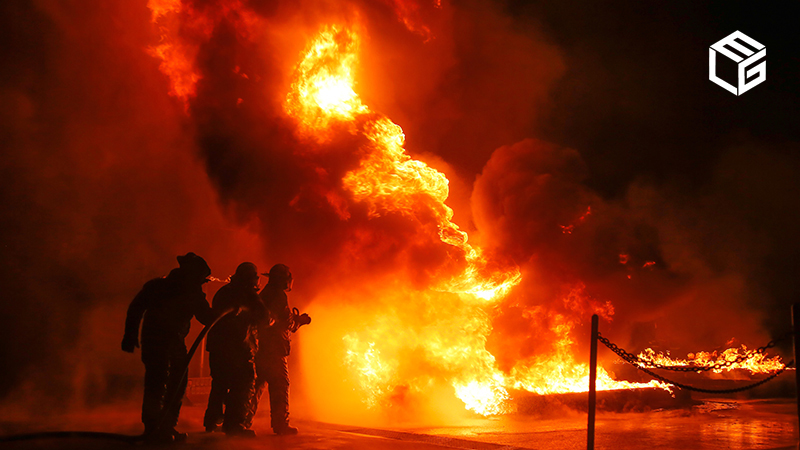
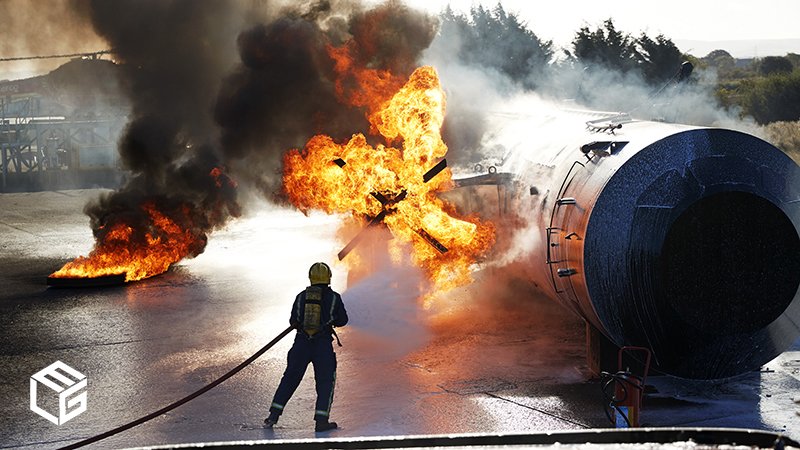
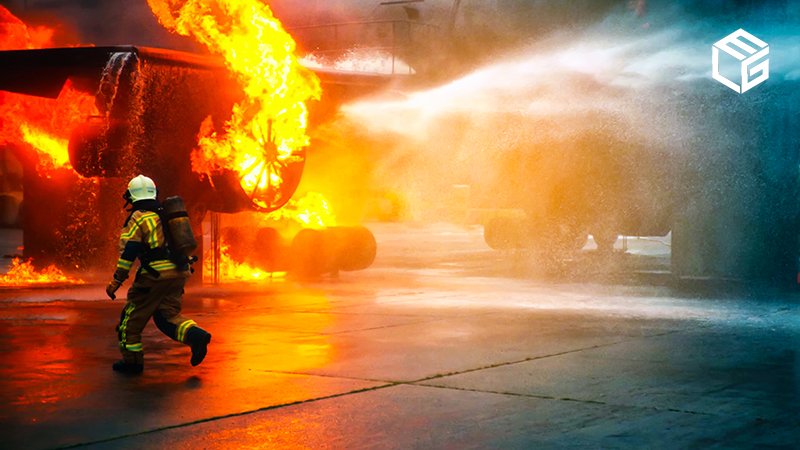
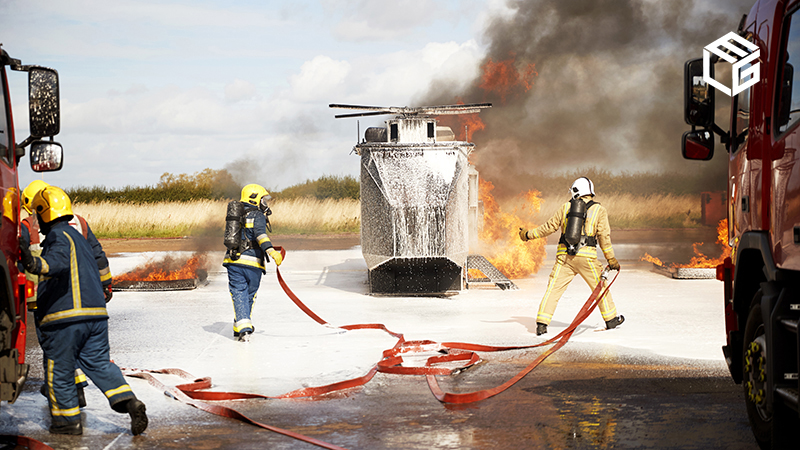
Most firefighters expect the danger to come from the job, not from training, but industrial fire schools often involve repeated ha...
Rhode Island has joined the growing list of states that aim to eliminate the use of AFFF. Since 2025, the Ocean State has banned t...
Nearly 15 percent of the Minnesota population lives within a few miles of a sterilization facility that emits toxic ethylene oxide...
We use cookies to improve your future experience on our website. Detailed information about the use of cookies on this website can be found in our Privacy Policy page. OK