
Dispatches from the front lines of toxic exposure litigation.
MDL updates, regulatory developments, and analysis from our attorneys, staff, and industrial hygienists — 260 articles and counting.
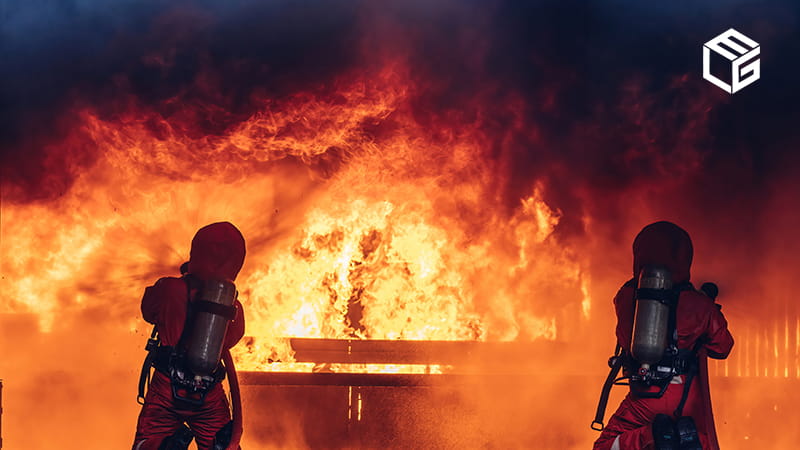
Coast Guard cutter AFFF exposure: Helicopter flight decks, firefighting duties & aviation operations
For decades, Coast Guard cutters equipped for helicopter operations used aqueous film-forming foam as the standard agent for suppr...
Read more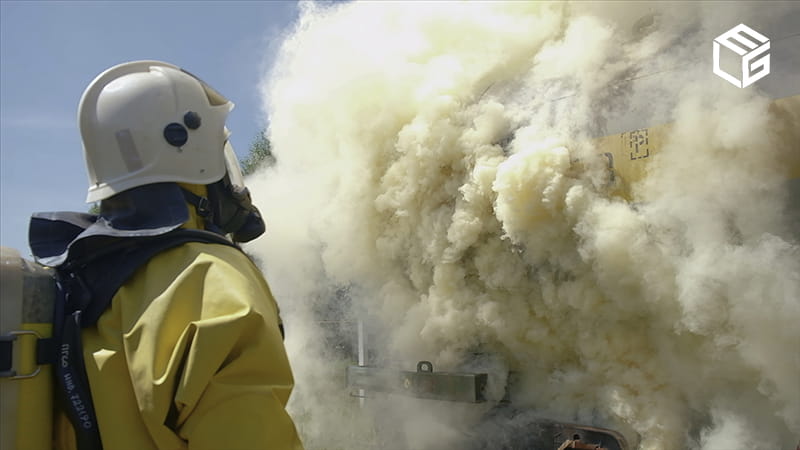
Navy crash and salvage firefighters and AFFF exposure
Navy crash and salvage crews respond to some of the most dangerous firefighting situations in the military. They handle aircraft m...
Read more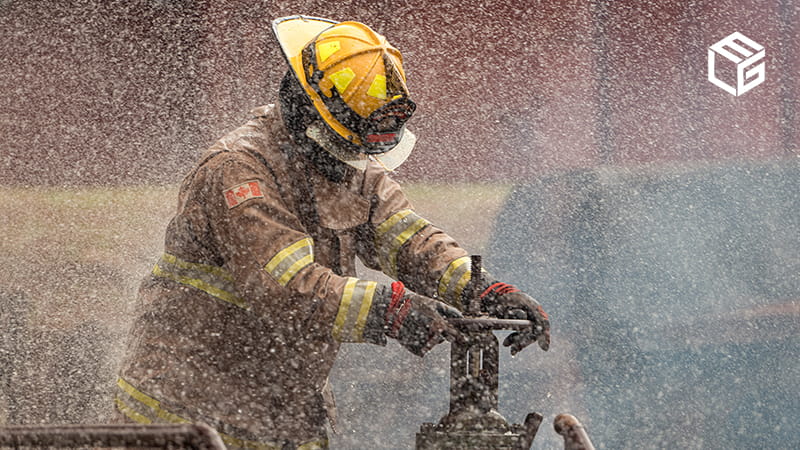
Navy firefighting qualifications and firefighting foam exposure
Many veterans who are unsure whether they encountered AFFF can look back at their qualifications for answers. The Navy uses Person...
Read more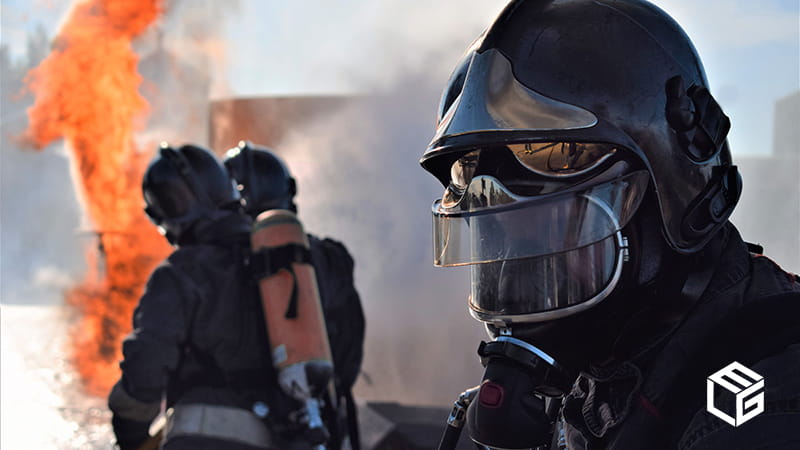
Navy flight deck AFFF operations: Who handled firefighting foam aboard carriers
Aircraft carriers and amphibious assault ships carried thousands of gallons of JP-5 jet fuel, and a fire on the flight deck could ...
Read more
Many popular hair relaxers abound in toxic chemicals
When women apply hair relaxers, the harmful chemicals in these products may cause lesions and burns on the scalp, making it easier...
Read more
Why duration of residence matters in EtO exposure investigations
When people learn that an ethylene oxide-emitting facility operated near a former home, one of the first questions they ask is whe...
Read more
EtO exposure zones around industrial facilities: What nearby residents should know
Some communities near EtO-emitting facilities have been identified as areas needing further evaluation. Because EtO is released in...
Read more
How former residents can map their proximity to an EtO facility using public maps
In many ethylene oxide exposure investigations, one of the first questions attorneys and researchers ask is how close someone live...
Read more
Why certain cancer diagnoses are being investigated in ethylene oxide cases
Ethylene oxide is classified as a human carcinogen by the EPA, the National Toxicology Program, and the International Agency for R...
Read more
Communities falling within three miles of Union Carbide's St. Charles Parish operations
When people think about industrial facilities and chemical exposure, they often picture empty lots or remote industrial zones. The...
Read more
Were you a Suffolk County firefighter or East Northport volunteer? AFFF exposure at Yaphank Firematics facility
Thousands of Long Island volunteer firefighters trained at the Suffolk County Firematics Training Facility in Yaphank, where aqueo...
Read more
Quantico firefighters AFFF claim: firefighting foam exposure and legal options
Marine Corps Base Quantico has operated since 1917 and remains one of the most active military installations in the United States.
Read more
Toxic foam exposure at NAS Corpus Christi: Filing an AFFF claim for firefighter cancer
Naval Air Station Corpus Christi has operated as one of the Navy's most active aviation training installations for decades, proces...
Read more
Mountain Home, Arkansas residents near Baxter Healthcare: Filing an ethylene oxide claim
For decades, residents living near the Baxter Healthcare facility in Mountain Home, Arkansas, have been in close proximity to a fa...
Read more
Breast cancer with no genetic mutation: Could environmental exposure be a factor?
A breast cancer diagnosis is difficult enough on its own. When it arrives without a family history, without a positive BRCA result...
Read more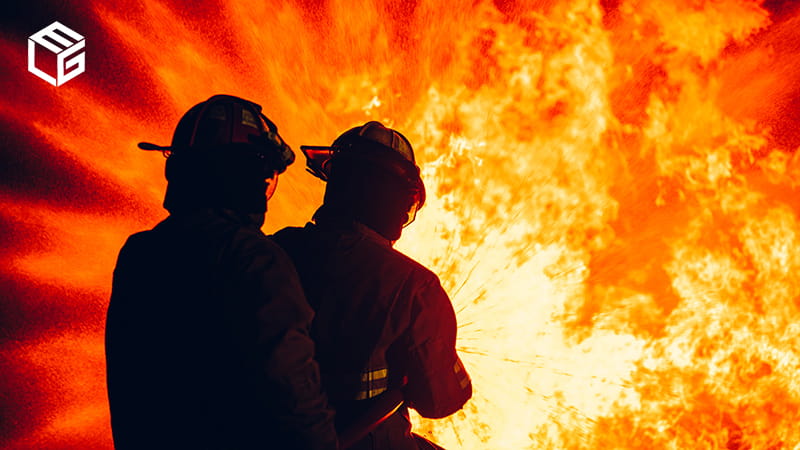
Firefighter cleanup and overhaul duties could have increased AFFF exposure risk
After the fire is extinguished, firefighters enter the overhaul phase, looking for hidden fire, removing debris, and preventing re...
Read more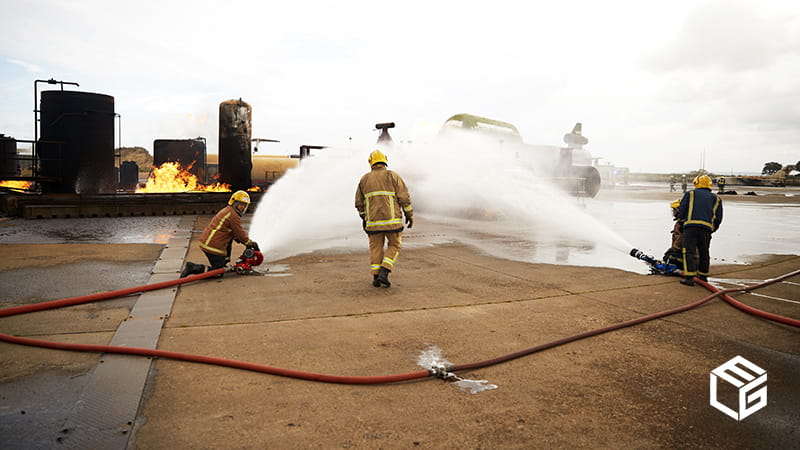
The legacy of Naval Station Great Lakes: Navigating firefighter toxic exposure claims
Naval Station Great Lakes has been the U.S. Navy's only boot camp and its largest training installation for over a century. Locate...
Read more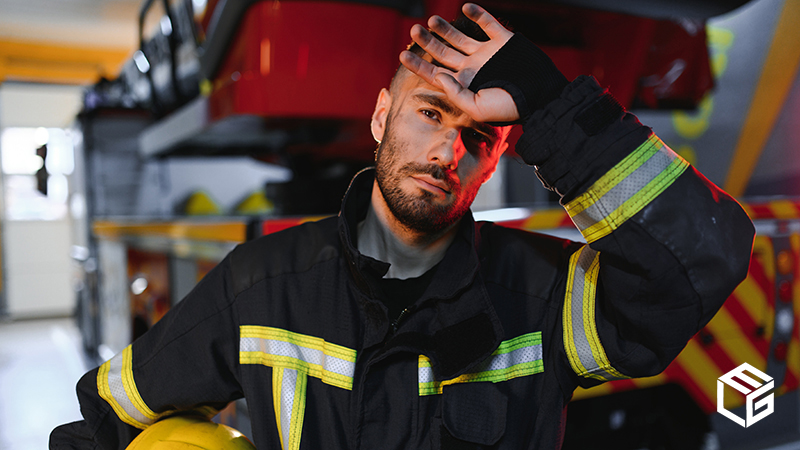
Firefighter cancer claims and the gap between lab testing and real-world exposure
For decades, manufacturers and regulators evaluated firefighting foam safety based on controlled laboratory testing. These tests a...
Read more
Diagnosed with cancer after firefighting? Women were barely included in early PFAS research
For decades, firefighting research focused almost exclusively on men. A comprehensive study reveals a shocking demographic bias: f...
Read more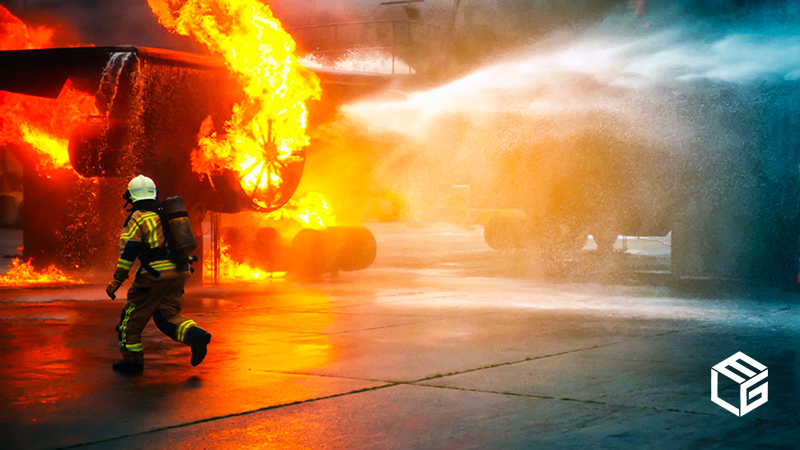
AFFF exposure at fighter bases: The danger faced by firefighters in high-frequency operations
Fighter bases had smaller and lighter planes than those at bomber and tanker bases. However, their frequent usage also required la...
Read more
Knolls Atomic Power Laboratory asbestos exposure: What former & current employees should know
The Knolls Atomic Power Laboratory (KAPL) in Niskayuna, New York, plays a crucial role in advancing nuclear technology in America....
Read more
AFFF at US airlift bases: Hidden dangers at Air Force transport hubs
Exposure to "forever chemicals" at Air Force bases is not just limited to tanker and bomber bases. Military firefighters and veter...
Read more
AFFF at US tanker bases: The dangers of chemical exposure in refueling centers
Military firefighters and veterans who served at tanker bases in the U.S. faced constant exposure to aqueous film-forming foam (AF...
Read more
Inside BNSF railroad: How long-term railroad exposure leads to FELA claims
For many workers at the BNSF Railway, routine exposure to hazardous substances can lead to serious health conditions that may take...
Read moreTell us what happened. We’ll tell you whether you have a case.
No fee unless we recover for you. All consultations are confidential and protected by attorney–client privilege.