Practice Areas
Who We Help
About
Others
Blog
MDL updates, regulatory developments, and analysis from our attorneys, staff, and industrial hygienists — 284 articles and counting.
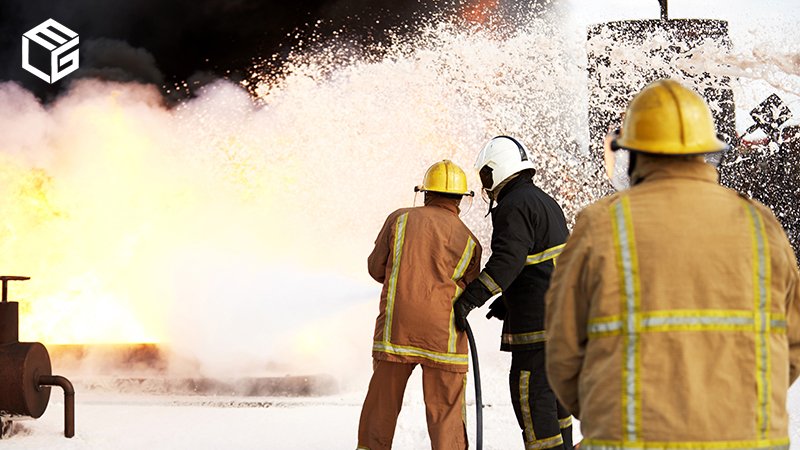
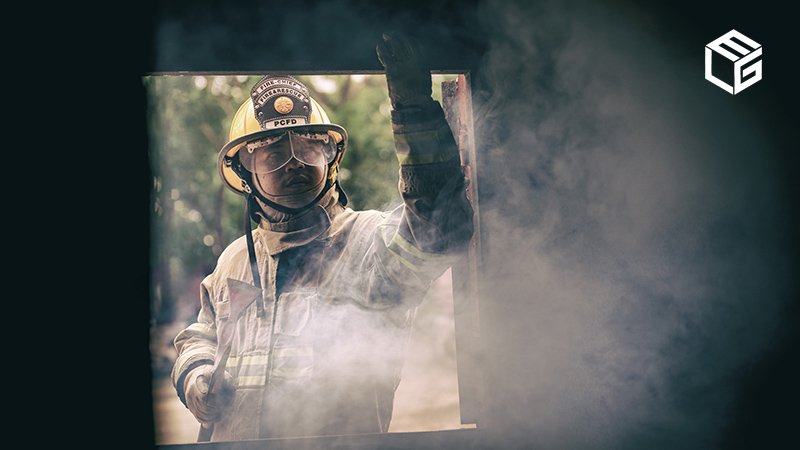
When Florida's Department of Environmental Protection began investigating fire training facilities in 2018, the agency surveyed 45...
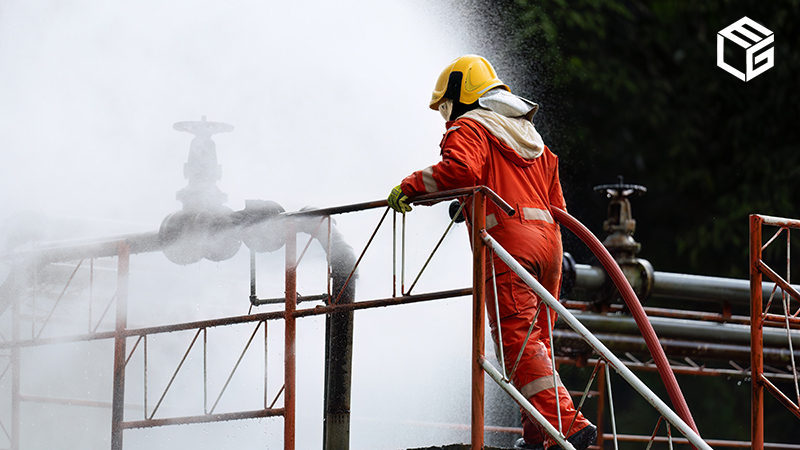
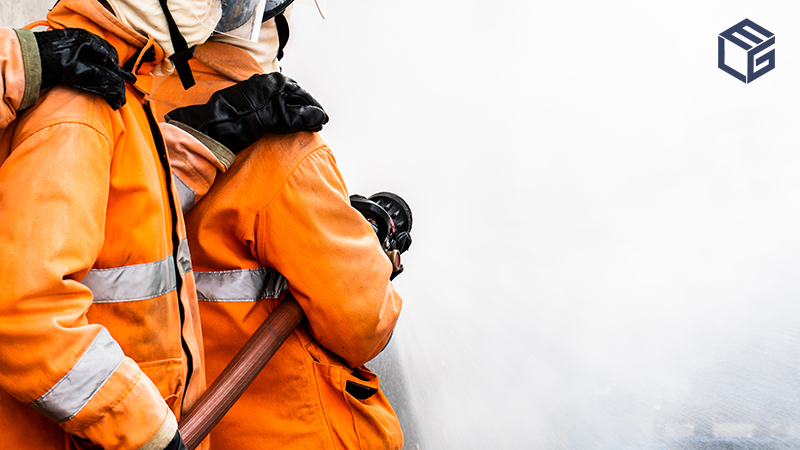
Florida firefighters continue to face exposure to PFAS-containing firefighting foam because the state has no active law restrictin...
For many military firefighters, the journey of service begins at Goodfellow Air Force Base in San Angelo, Texas. This is the locat...
Traumatic brain injury happens when an outside force damages the brain and disrupts how it normally works. This can come from a bu...
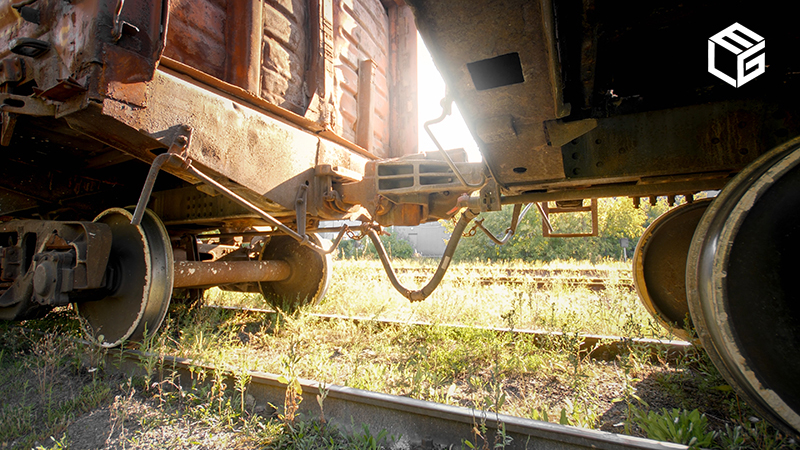
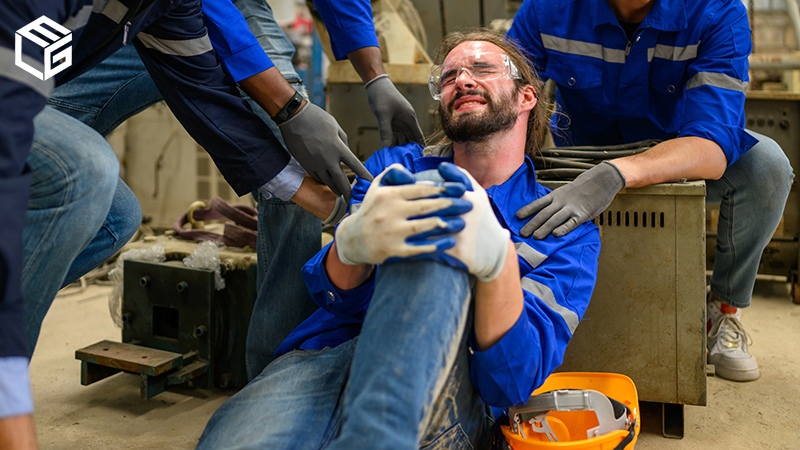
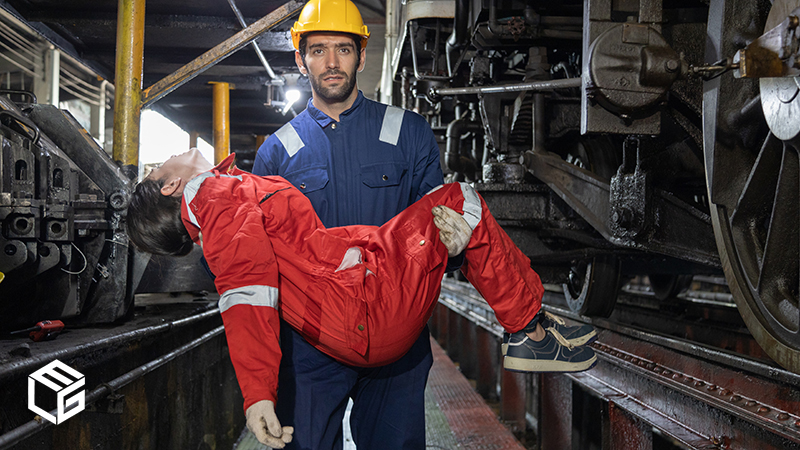
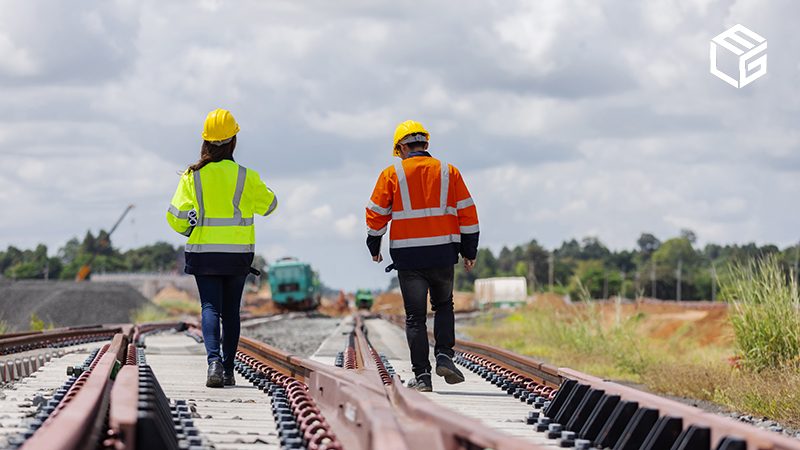
Losing a limb is one of the most devastating outcomes for railroad workers. Amputations occur in accidents involving heavy equipme...
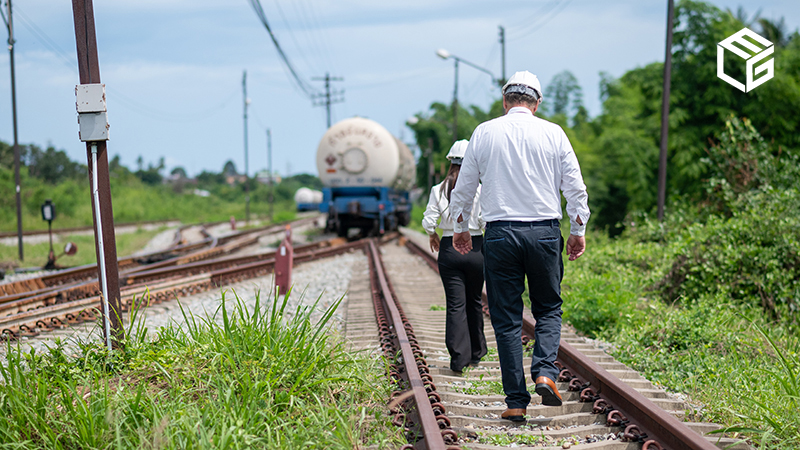
The railroad industry is inherently hazardous due to heavy trains, industrial equipment, and complex yard operations. Federal safe...
Spinal cord injuries occur when trauma or damage disrupts nerve signals between the brain and body. These can result in paralysis,...
Railroad work puts employees at risk of serious burns from fires, explosions, faulty electrical systems, steam releases, and hazar...
The Federal Employers' Liability Act allows railroad workers to seek complete compensation for injuries or illnesses caused partly...
Currently, Texas does not have a statewide limit on the use of PFAS-containing foams by civilian fire departments. While federal g...
Occupational health for Texas firefighters will undergo a major shift from June 1st, 2026. The advent of House Bill 198, now known...
Seamen are constantly exposed to harmful chemicals like asbestos, from carcinogenic insulation to toxic dust from pipes. If you've...
California is home to more than 32K firefighters, many of whom have spent years responding to fuel-based fires or training drills ...
Some female firefighters may be tempted to hold back from filing exposure claims, mistakenly believing that they need sex-specific...
More than 600 active offshore platforms operate in the Gulf of Mexico, serviced by supply vessels, crewboats, and tugboats running...
Louisiana's port system handles approximately 20% of U.S. waterborne commerce, moving over 500 million tons of cargo annually. Por...
Port Fourchon services around 90 to 100 percent of deepwater offshore operations in the U.S. Gulf of Mexico, functioning as the pr...
The Port of Mobile handles over 55 million tons of goods yearly and sees more than 1,131 vessel calls annually, making it Alabama'...
The Port of Houston moves hundreds of millions of tons of cargo yearly for foreign cargo tonnage, while the Port of Corpus Christi...
Over 600 offshore oil platforms sit within 40 miles of Port Fourchon, Louisiana, placing the Central Gulf of Mexico among the busi...
The Northern Gulf of Mexico supports thousands of offshore workers who spend weeks at a time aboard vessels servicing oil and gas ...
Texas Gulf Coast ports moved more than 746.4 million tons of cargo in 2023, making them the busiest maritime gateways in the Unite...
Around 20% of the US waterborne commerce flows through Louisiana's port system, which moves over 500 million tons of cargo yearly ...
Lake Charles serves as a departure point for offshore workers heading to Gulf operations through the 36-mile Calcasieu Ship Channe...
We use cookies to improve your future experience on our website. Detailed information about the use of cookies on this website can be found in our Privacy Policy page. OK