
Asbestos products
77 products with documented asbestos content. If you worked with one of these in an industrial, construction, military, or maritime setting, your exposure history may support a trust fund or personal injury claim.
Throughout the past century, up to 5K different products have been manufactured with asbestos in the U.S. While building products such as ceiling tiles, roofing materials and attic insulation represent a large proportion of the asbestos-containing items, asbestos products have also been used in other occupations. People who worked in paper mills, oil refineries, and the textile industry are at high risk of developing asbestos-related diseases as well.

Asbestos acoustical panels
Acoustical panels usually need to be moved around for the worker to access the wall behind them. When this happens, they release poisonous microscopic fibers into the environment. Due to the passing of time, they can easily start to crumble, leading to the same result.

Asbestos adhesives
Years after they were applied, these adhesives start falling apart and when the workers scrape them up, the asbestos particles inside get disturbed and become airborne, making it very easy for the worker to inhale them.
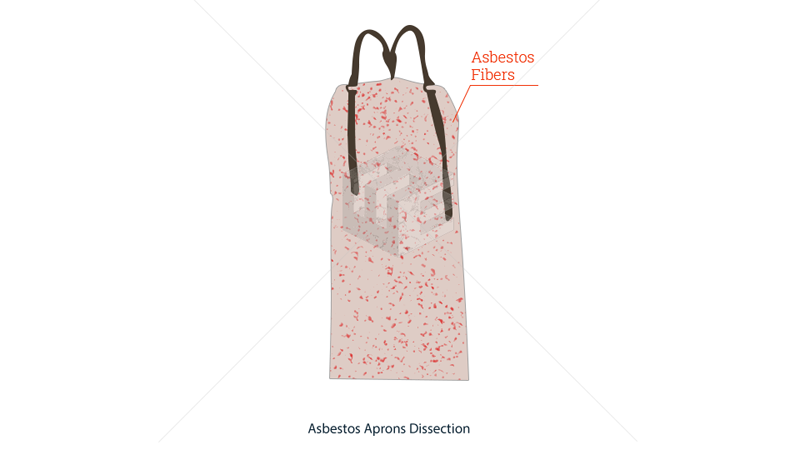
Asbestos aprons
Asbestos-containing gear was used by construction and factory workers frequently. With the passing of time, the material would start to show tears from which small amounts of asbestos fibers would be released into the air, contaminating the environment.

Asbestos asphalt
As it started to deteriorate, asphalt made with asbestos required repairing or, as a last option, removal. Asbestos fibers used to be mixed with gravel and would become airborne as the asphalt was disturbed by the laborer working.
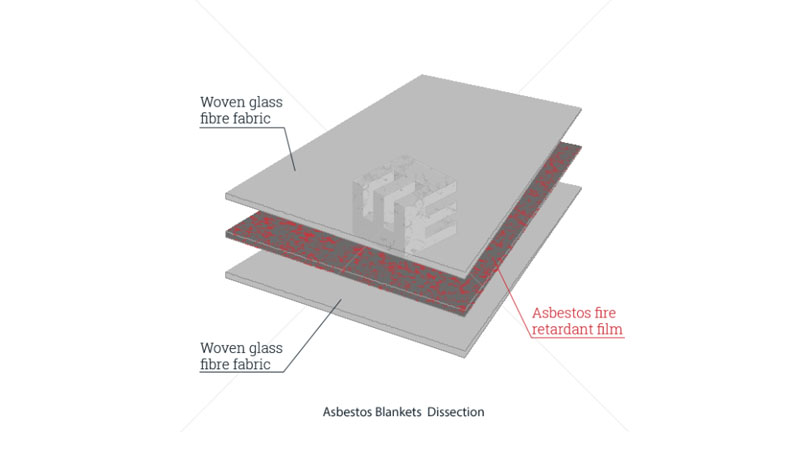
Asbestos blankets
When the material became worn and fibers of asbestos got loose, the worker was subjected to asbestos exposure. Millions of these poisonous fibers would spread in the worker’s proximity when he/she would handle these products.

Asbestos block insulation
You had to cut the asbestos blocks for fit depending on your project. During this process, the asbestos dust would accumulate in the area exposing you and the other workers in its vicinity to the microscopic asbestos fibers.
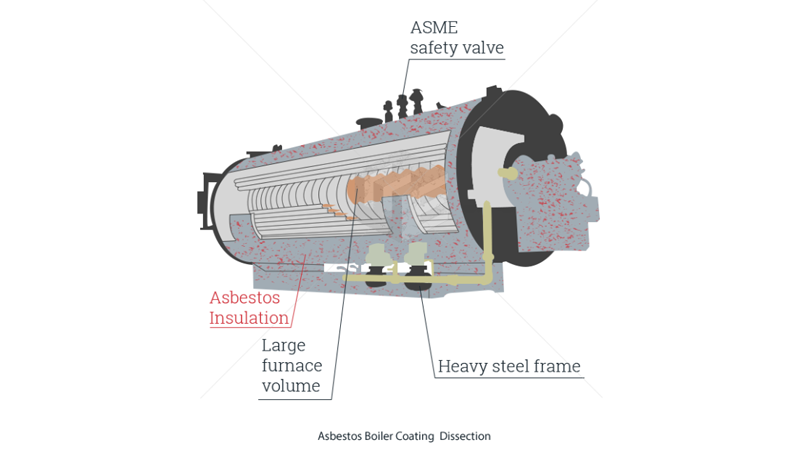
Asbestos boiler coating
Boilers used to be insulated with this type of product. When the workers had it removed to gain access to the machinery by tearing it off, the fibers of asbestos were released into the air, creating a poisonous environment for them to be in.
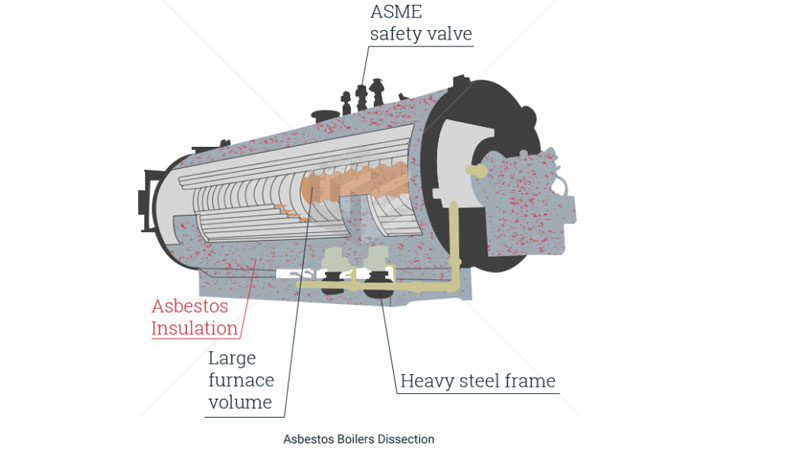
Asbestos boilers
Working around these types of machinery always presented dangerous levels of asbestos exposure. When a boiler required maintenance, you had to pass through its insulation. By cutting and removing it, asbestos dust was created, releasing dangerous particles around you.
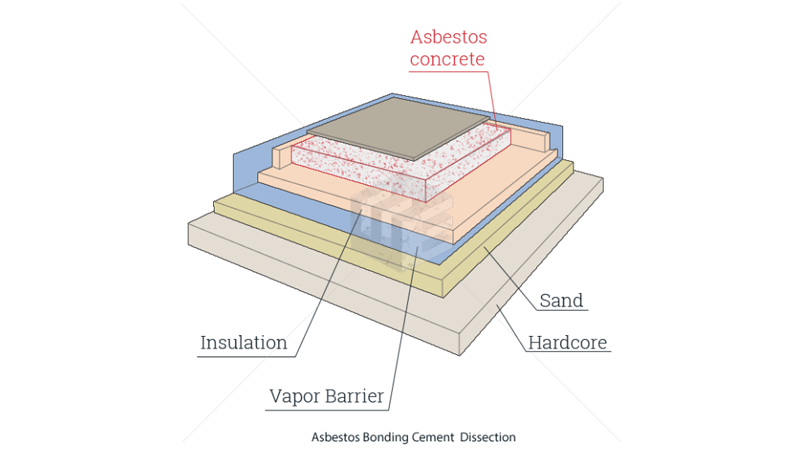
Asbestos bonding cement
Same as with regular cement, this product needed to be mixed before it was applied. During the mixing process, asbestos fibers were released into the environment, and when it needed to be removed the fibers became disturbed by the worker’s impact, getting dispersed all around.
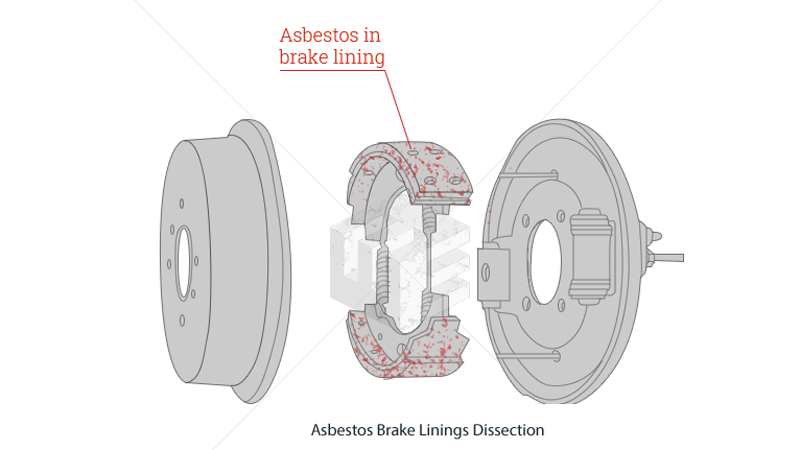
Asbestos brake linings
Before a brake repair job, the accumulated brake dust must be cleaned by the mechanic prior to the old parts being removed. Another case of asbestos exposure may be when installing new brake pads or shoes and the auto-shop worker may grind the surface to speed up the 'breaking in' process, creating dangerous asbestos dust.

Asbestos brake pads
In order for the brake pads to be removed, they need the dust cumulated during driving to be cleaned off. The methods used for cleaning, like air-hosing for instance, released it around the mechanic, making the poisonous fibers easy to be inhaled.

Asbestos brakes
Being friction products, the brakes wear down during the period you are using them, releasing considerable amounts of asbestos fibers. The mechanic may expose himself by cleaning or grinding these parts as microscopic particles of asbestos become airborne.
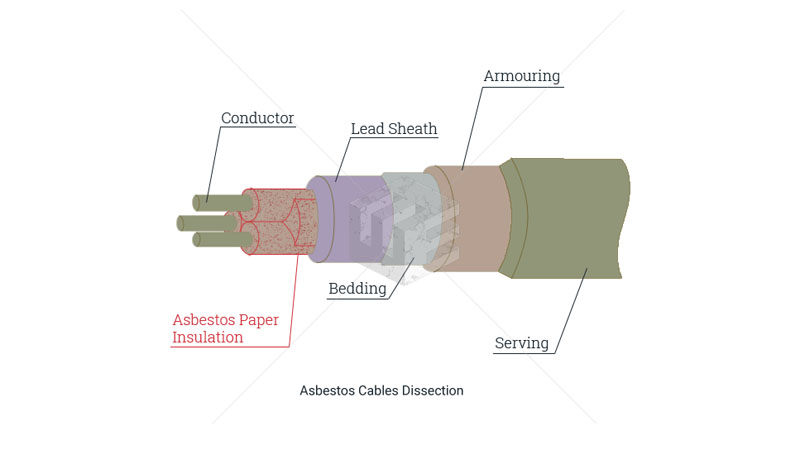
Asbestos cables and wires
Cables and wires used to be insulated with asbestos-containing materials, and cutting them or removing their insulation caused the asbestos fibers to be released around the worker that was handling them on a constant basis.

Asbestos calcium silicate
This type of pipe lagging contained asbestos fibers for added durability and flame resistance. By cutting the pipes with this type of covering, you were exposed to dangerous amounts of asbestos dust spreading life-threatening microscopic particles around you.
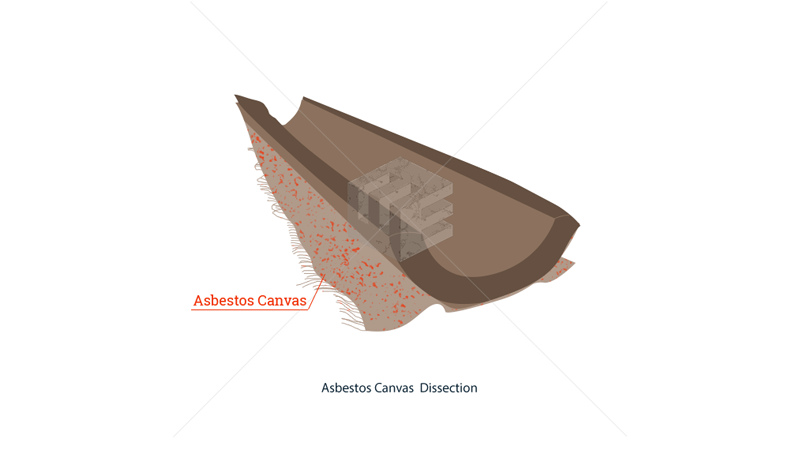
Asbestos canvas
When the fabric wears down it becomes brittle, making the asbestos friable. This would facilitate the release of the asbestos fibers all around the worker as the worn out canvas needs to be removed due to its reduced insulating properties.

Asbestos castables
During the repair or maintenance of machinery, the workers were exposed to worn or damaged asbestos castable material. By removing it or destroying it, dangerous amounts of asbestos dust was spread all around.

Asbestos caulk
Aged caulk leaves the asbestos contained within in a friable state and releases dangerous fibers into the environment when it gets to be removed, posing a serious health risk for the people in its proximity.
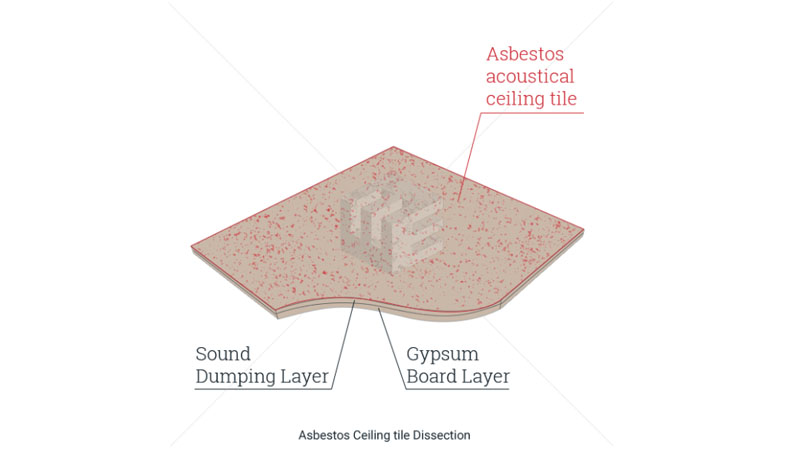
Asbestos ceiling tiles
With the passing of time, these ceiling tiles would become degraded, suffering fissures. By removing them, the asbestos fibers are disturbed and spread in the proximity of the worker that will unknowingly inhale millions of microscopic particles.
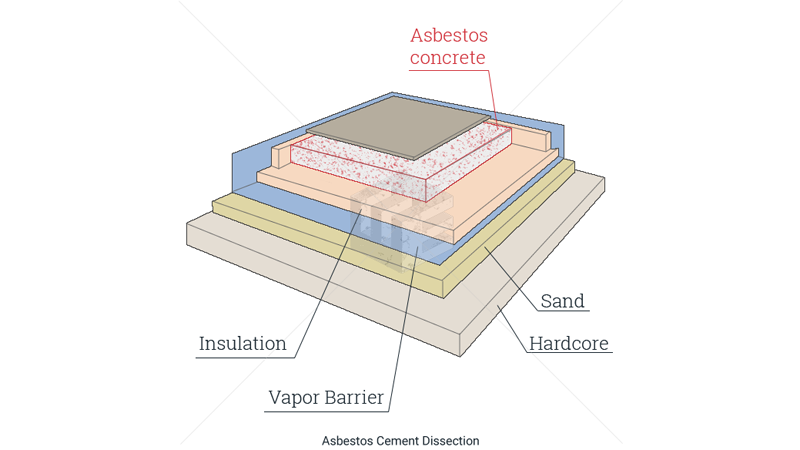
Asbestos cement
The cement needed to be mixed in order to be applied. The worker could have been exposed during the mixing process as microscopic bits of asbestos became airborne. Great amounts of asbestos dust were also produced when the cement had to be removed.
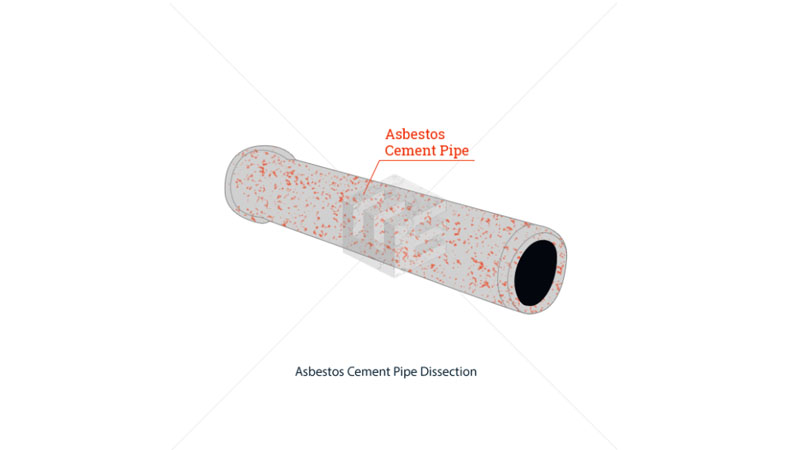
Asbestos cement pipe
A great deal of dust was generated when asbestos-containing cement pipes needed to be cut or sanded for fit. The workers risked breathing in a closed-off environment contaminated with millions of microscopic asbestos particles.

Asbestos cement siding
Asbestos dust would form and be spread around when cement shingles were cut. Also they degraded with the passing of time, presenting small cracks from where dangerous fibers would be released as they were being handled.
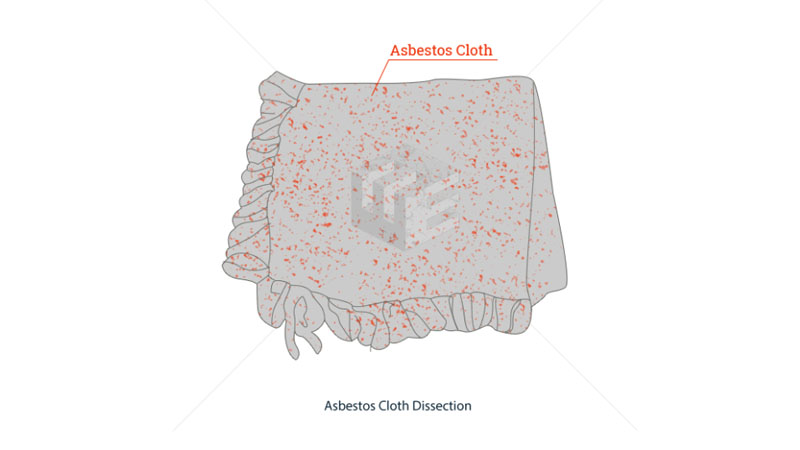
Asbestos cloth
It had many uses mainly in construction and electrical work. To apply it or remove it as insulation, the asbestos cloth needed to be cut, thus releasing microscopic fibers of asbestos into the air. Protective gear was also made using asbestos cloth.

Asbestos clutch linings
As clutch linings become worn, they release dangerous asbestos fibers in the air. When the moment comes for them to be replaced or for maintenance work to be performed on the car, the risk increases for the auto mechanic to be exposed to asbestos.
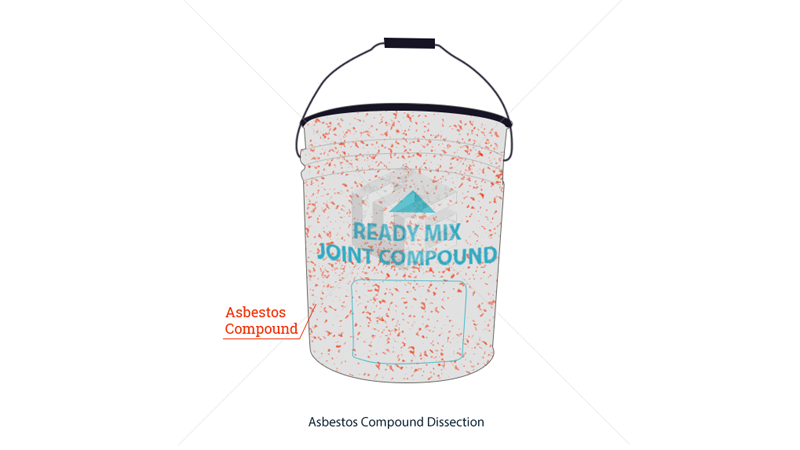
Asbestos compound
Workers could have been exposed to asbestos while mixing these powdered products. The exposure would have continued if the dried mixture was sanded after, creating great amounts of dust to be inhaled by the workers.

Asbestos corrugated paper
It was most commonly used for insulating steam pipes and in time it would deteriorate, leaving the asbestos friable. In this state, it was very easy for the workers to crush it when they were handling it, thus releasing its fibers into the air.

Asbestos disc brakes
Damaged or worn asbestos containing disc brakes present tearing that leaves exposed asbestos fibers to be inhaled by the mechanics doing the maintenance work, as they first have to clean the worn-out parts and by doing that fibers can spread easily.

Asbestos drum brakes
Asbestos fibers collect in the brake drum during driving. When a maintenance or repair job needs to be done on the car, the dust gathered needs to be cleaned off by air-hosing, making the fibers airborne and exposing the mechanic to asbestos.

Asbestos duct adhesive
It was available in spray-on or tape form. As a spray, the material would start to crumble, making it easy for the asbestos particles to spread faster and if it was applied as tape, in time, the material would start to deteriorate, posing a threat for the people nearby.

Asbestos duct insulation
Duct insulation needed to be cut through so the workers could get access to the duct system and in the process they were subjected to asbestos exposure through the dust resulted in the process. Another potential danger came from asbestos in friable state.

Asbestos electric boards
Due to damage, the asbestos fibers contained in these electric boards become in time friable, a state that makes it easier for these carcinogen particles to be released into the air every time the worker has to perform maintenance work.
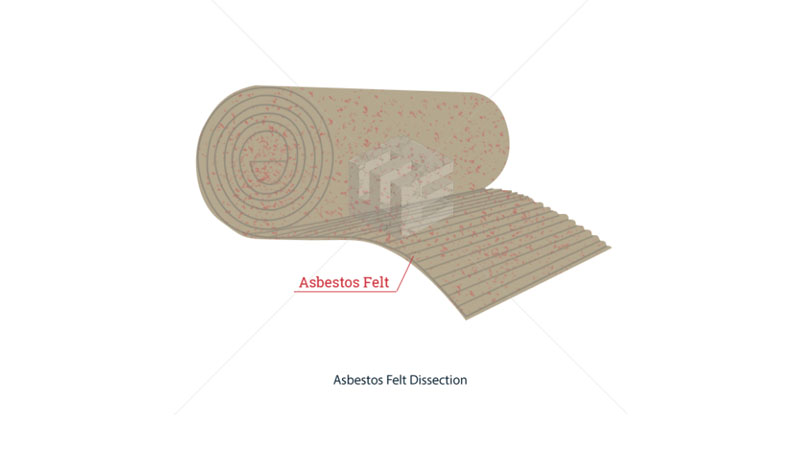
Asbestos felt
It was commonly used in the roofing business. Aged and worn asbestos felt posed a threat to the worker’s health when it got removed for losing its weatherproof properties. At that moment the fibers of asbestos became loose, therefore airborne.
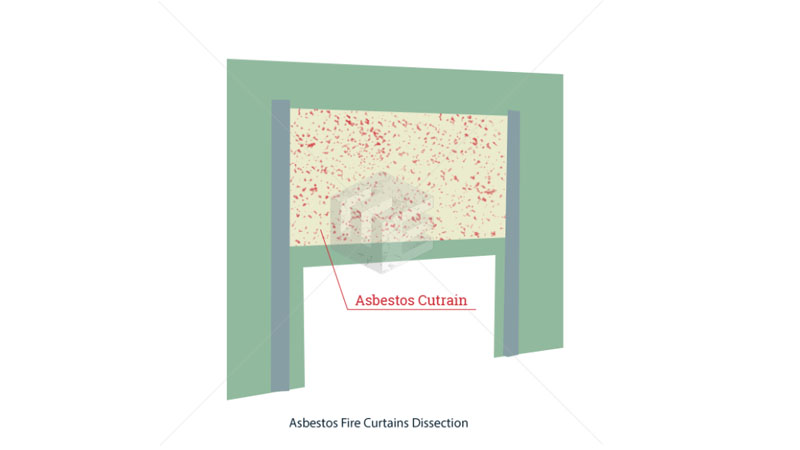
Asbestos fire curtains
As time passes, fire curtains become deteriorated, sustain damage by being ripped or torn, and when this happens, fibers of asbestos are released into the air making the environment dangerous for the people required to be constantly around them.

Asbestos firebrick
Asbestos particles break out when these products chip, crack or start to crumble, endangering everyone around them. These were used in different lines of work, where people that handled them directly activated in environments filled with asbestos dust.

Asbestos flexboard
Flexboards usually need to be cut in order for them to be installed, the asbestos particles inside getting disturbed in the process, making the environment a dangerous place for a worker to be in. The danger of asbestos exposure persists as time passes and this product starts to deteriorate.
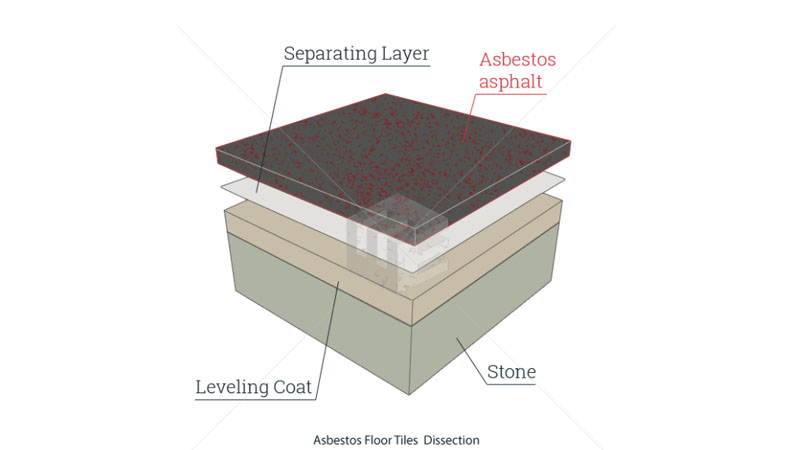
Asbestos floor tiles
In order for these tiles to be installed, the workers had to cut them to size. During this process, asbestos dust would gather and dangerous fibers would rise into the air, where they could easily be inhaled by anyone on the working site.

Asbestos furnace cement
Due to the passing of time and the continuous heat, this material becomes friable, causing the asbestos fibers to spread into the environment more easily. Working on asbestos-insulated furnaces exposed laborers directly.

Asbestos furnaces
The asbestos used in the production of these furnaces becomes friable due to prolonged exposure to extreme heat, making it a health hazard for everyone around, especially for the workers performing maintenance work.
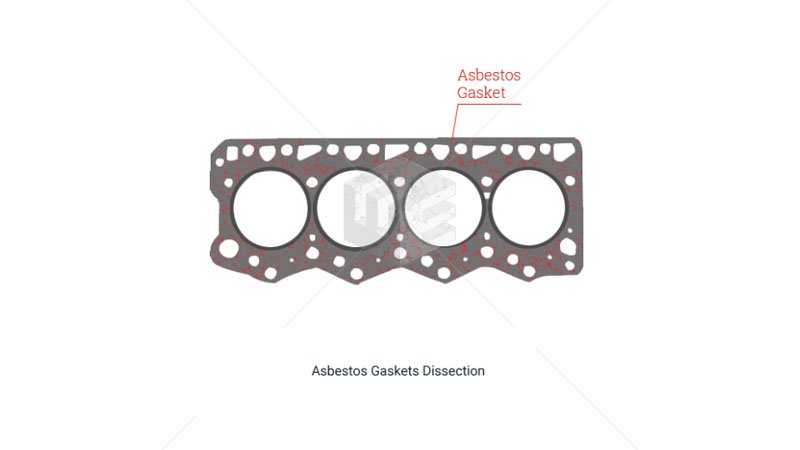
Asbestos gaskets
These products were frequently used in the pipefitting trade and, at that time, these were also made of asbestos. To be perfectly fitted they would need to be ground or sanded to the desired size, and by doing that the air filled with asbestos fibers.

Asbestos generators
Asbestos was placed in generators to prevent them from burning, but in time the machinery became worn down and left the asbestos in a friable state, making its fibers prone to be released into the air when the workers came in direct contact with this kind of equipment.

Asbestos gloves
In some lines of work protective gear was required to be worn and asbestos cloth was used in the making of it due to its heat resistant properties. As gloves made with asbestos cloth became worn, they released loose asbestos fibers into the work environment.

Asbestos gypsum
Asbestos was added into gypsum products for its fire resistant properties. Fibers of asbestos were released into the air when gypsum was mixed with this mineral or when products containing this mixture needed to be removed.

Asbestos heating ducts
These heating ducts were usually insulated with an asbestos-made coating. When these products age, their materials become worn and leave the asbestos in a friable state, its fibers being released more easily into the air, putting the lives of the workers nearby in danger.
Asbestos insulating cement
Similar to normal cement, it poses a threat to the insulator during these two phases: when it is mixed and asbestos particles rise easily into the air, or when it needs to be removed and the impact upon it disturbs the asbestos particles creating dangerous amounts of dust.

Asbestos joint compound
The workers are exposed to asbestos fibers when they are mixing it, sanding it for smoothening the surface of the wall where it is applied or when it needs to be removed and the particles get disturbed, making them airborne.

Asbestos mask
Protective gear should keep you safe from the dangers present in your line of work; however, with the passing of time, these masks would start failing to protect you from the asbestos fibers. This way, you could have unknowingly inhaled them.

Asbestos mastic
When workers remove mastic they subject themselves to the risk of inhaling microscopic asbestos particles, as scrapping it up produces asbestos dust that makes it easier for the poisonous particles to be spread around the work site.

Asbestos millboard
Being used mainly in insulation, it often needed to be cut, sanded or ripped making the fibers of asbestos become airborne and extremely dangerous for the workers that performed these actions on a constant basis.

Asbestos mortar
The worker was in danger of inhaling the particles of this carcinogenic mineral that rose in the air during the mixing process or when brick walls were torn down and asbestos dust invaded the atmosphere.

Asbestos packing material
When the fibers become detached, they start floating in the air, posing a threat to anyone near them. The workers handling the products that are secured and wrapped in these materials risk inhaling the particles of asbestos spread around.

Asbestos paint
Asbestos containing paint is dangerous when it gets sanded or when it starts to flake off the surfaces it was applied to. This is when the fibers become airborne and the workers performing these activities unknowingly come in direct contact with them.

Asbestos paper
Used mainly for insulating, the paper needed to be cut for size. By doing this, the worker was exposed to the asbestos fibers released in the process. Used up asbestos paper raised the level of exposure when it was torn down.

Asbestos permaboard
Intact and new permaboard presents little risk, but aging permaboard gets easily deteriorated and releases through its cracks dangerous amounts of asbestos particles ready to be inhaled by the people using them in their line of work.

Asbestos pipe insulation
Large quantities of dust were created when the workers had to cut the pipes that were insulated with asbestos-containing materials. This would cause the asbestos fibers to become airborne and pose a threat to the workers’ health.

Asbestos plaster
In time plaster becomes worn, scratched and deteriorated, disturbing the asbestos particles inside. When the workers would have interacted with the walls on which this material was used, they would have been subjected to the risk of inhaling them.

Asbestos plastic
Since 1907, when plastic as we know it today was invented, asbestos has been a quite common ingredient in the product, as the fibers would enhance the strength and durability of the material. Unfortunately, you may find asbestos fibers in plastic even nowadays, although this occurs sparingly.

Asbestos pumps
The exposure would come mainly from their gaskets that needed to be sanded and cut by the worker in order to fit them for the required project. During this process, a considerable amount of asbestos dust would form and be released around the worker.

Asbestos putty
Putty, in a bad condition due to heat or fire, presents the risk of releasing the asbestos fibers around the worker that disturbs them. The disturbance takes place when this deteriorated material needs to be removed.
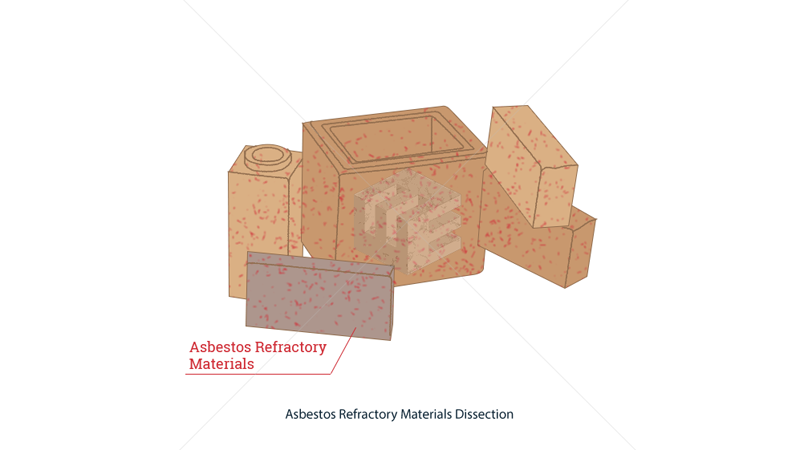
Asbestos refractory materials
These products were used to withstand extreme heat and were often made using asbestos fibers. When the surrounding material was damaged, the asbestos would become friable releasing its fibers into the environment and posing a threat to everyone in their proximity.

Asbestos roof coating
With aging roofs, asbestos material is left in a friable condition making it easier for the particles of asbestos to be spread around. This would happen when the coating would start to crumble as roofing work was performed by professionals.
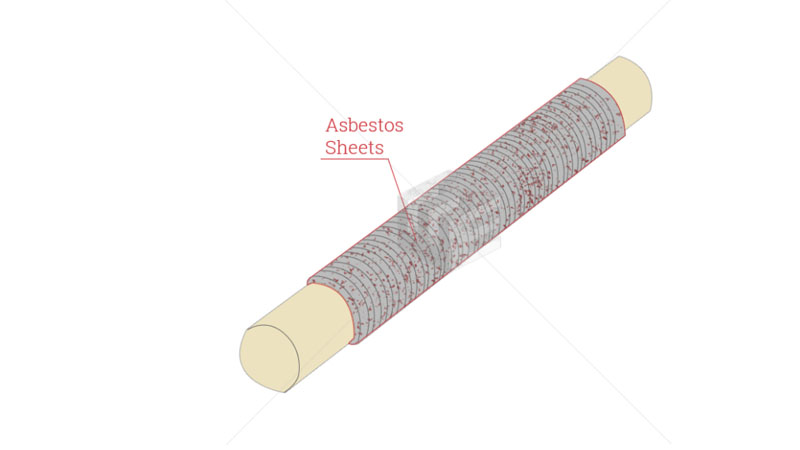
Asbestos rope
It was used as gasket for sealing the boiler’s door, so it needed to be cut for size. This process released the asbestos fibers in the worker’s proximity putting his/her life in danger as millions of these particles could have been inhaled without knowing.

Asbestos sealer
Sealer was made in order to offer protection from external factors for cement or wood surfaces, but posed a threat to the worker's health. As it deteriorated the sealer started crumbling under the worker’s fingers and asbestos fibers became airborne.
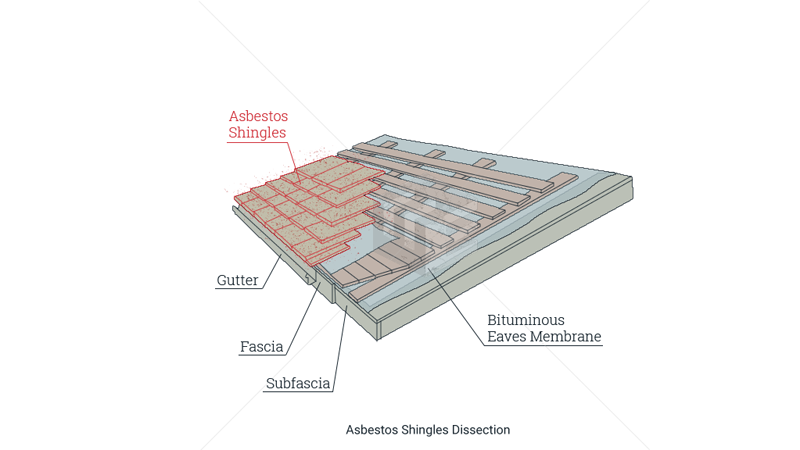
Asbestos shingles
The shingles became worn with age, deteriorating and making the asbestos friable. In this state, it was easier for the asbestos fibers to be released into the environment as people handled them in their line of work on a constant basis.

Asbestos spackling
As a dry mix, it poses an increased risk to the worker’s health due to the powder that gets spread around along with asbestos fibers. Worn spackle can crumble and make the asbestos friable making its particles airborne, especially while it gets removed.

Asbestos spray
This type of coating breaks up fairly easily making it very dangerous. The workers that came in direct contact with it might have caused involuntary disturbance to this product resulting in large quantities of asbestos fibers to be released in the near environment.

Asbestos stone sheathing
Stone sheaths needed to be cut for size and as the workers sawed them, asbestos particles were released in their proximity. By doing this, working men and women risked inhaling millions of poisonous particles that would affect their health in later years.

Asbestos tape
If not handled correctly, the asbestos contained within this product can become friable. In this deteriorated state, the particles of asbestos are in danger of being released in the air when the workers start handling worn out tape.

Asbestos tar paper
Due to the weather conditions, tar paper gets damaged and worn out facilitating the release of asbestos particles when these are disturbed by the workers that are removing it. In the process, they unknowingly inhale millions of these particles.

Asbestos textured coating
When the wall coated with this product starts to get damaged, the asbestos is usually found in a friable state by the workers that interact with it. In this condition, its fibers start being released more easily into the environment.

Asbestos turbines
Asbestos insulation was used on the interior as well as the exterior of the turbine. Due to extreme heat, the asbestos would become friable. The maintenance crew that had to repair or replace parts around these machineries would disturb the asbestos particles making them airborne.
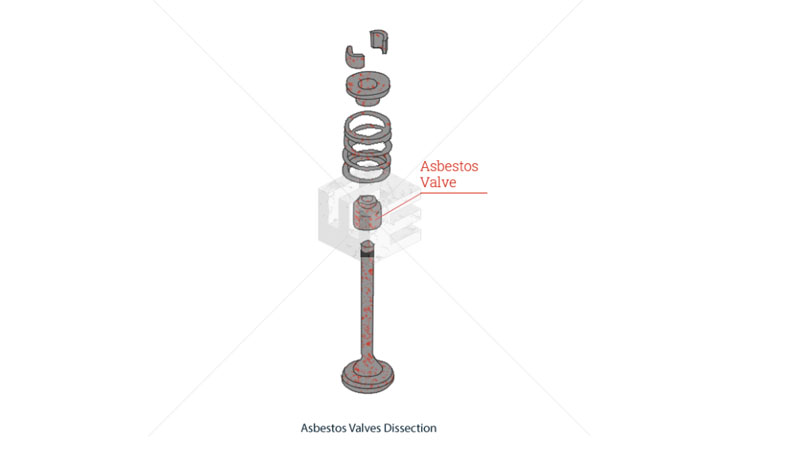
Asbestos valves
Particles of the material can easily break apart from these items and become airborne when they are handled by workers. This puts the people that are in their proximity in danger as they can inhale them without knowledge.

Asbestos vinyl wallpaper
Being made of tiny fibers of asbestos, the worker was in danger of inhaling the microscopic particles without even knowing. This could have happened when the wallpaper was glued to the walls, cut, ripped or torn down.

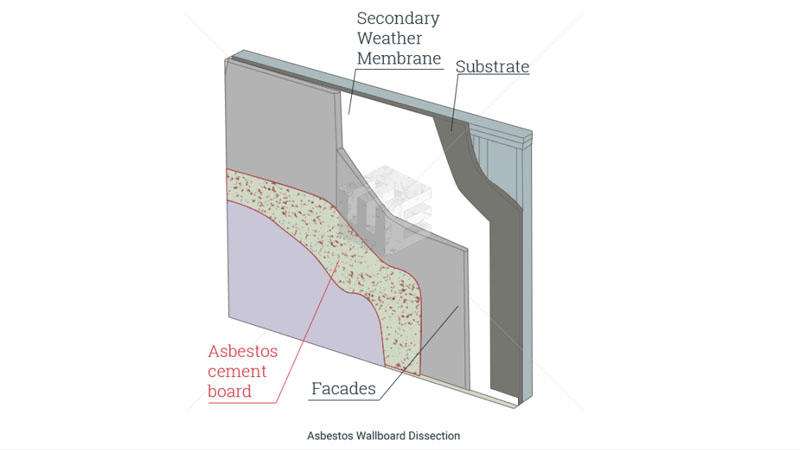
Asbestos wallboard
Being handled in an intact state, this product doesn’t present a major threat. But when it is cut for size, removed or it simply deteriorates, microscopic fibers of asbestos are released into the atmosphere putting the lives of the workers in danger.

Asbestos welding rods
The welding process takes place at extremely high temperatures meaning that the asbestos in the flux can enter easiliy into the atmosphere. By becoming airborne, the asbestos particles can be inhaled by the welder.

Asbestos wiring insulation
Damaged wiring makes the asbestos become friable. The workers needed to get in direct contact with these asbestos wrapped wires and when the workers touched them the fried asbestos fibers were released in their proximity.
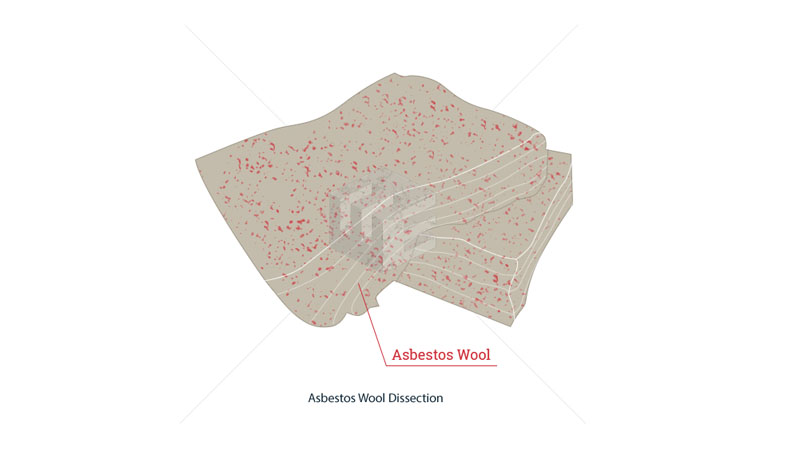
Asbestos wool
It was used mainly in insulation and it contained millions of asbestos fibers. When the insulation was installed or removed, these fibers became disturbed and released poisonous particles around the worker that handled the wool.
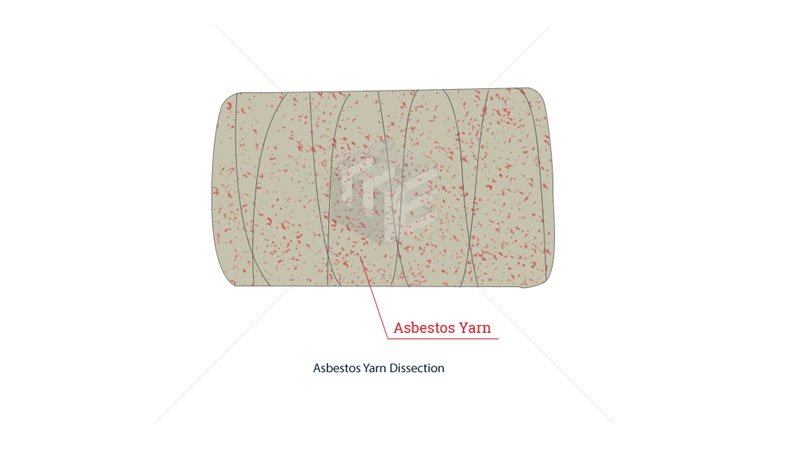
Asbestos yarn
This dangerous fiber posed a threat to the worker when it became damaged by fire or it simply deteriorated leaving the asbestos in a friable state. This way it made it easier for the particles to spread into the atmosphere when time came to be removed.
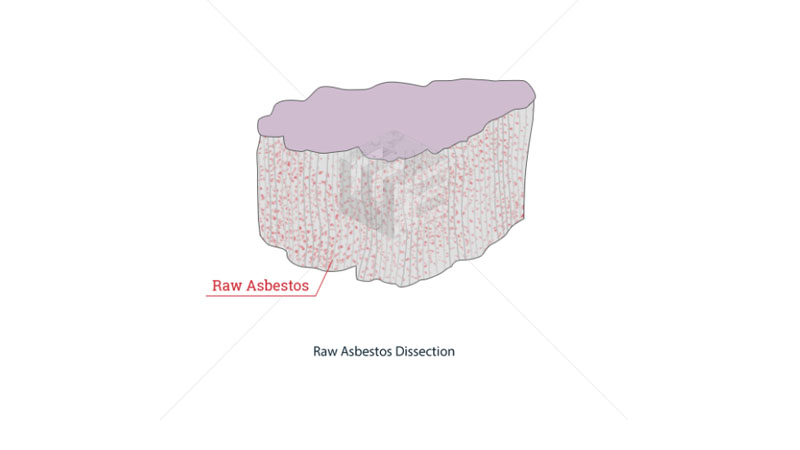
Raw asbestos
Asbestos fibers were introduced in peoples’ homes and lives through a series of construction and insulating materials. Once these products would deteriorate, the asbestos particles would be disturbed and become airborne posing a serious health threat.
Tell us what happened. We’ll tell you whether you have a case.
No fee unless we recover for you. All consultations are confidential and protected by attorney–client privilege.