
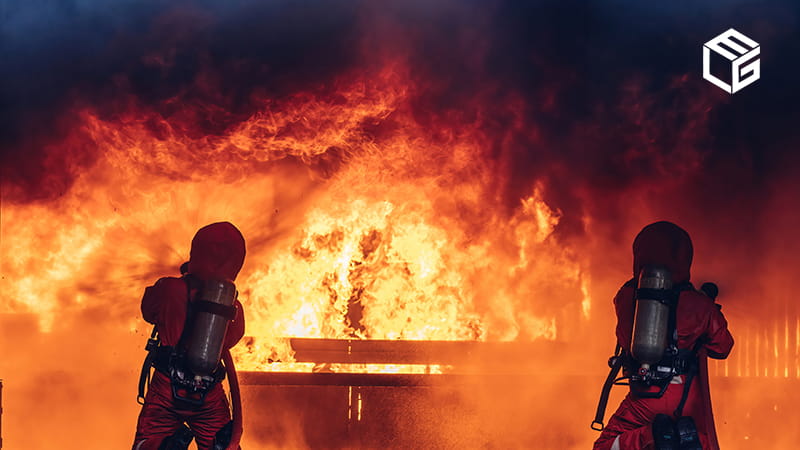
In September 2024, the Coast Guard announced it would start removing installed foam suppression systems from aviation hangars and replacing them with newer alternatives, following years of growing concern about PFAS exposure among personnel.
Why helicopter operations drove AFFF use on Coast Guard cutters
Operating helicopters at sea introduced fire hazards that water alone could not address. Aviation fuel burns differently than other shipboard fuels, and suppressing a jet fuel fire requires a foam agent that can rapidly blanket the burning surface and prevent vapors from reigniting. Coast Guard aviation units relied on AFFF for that purpose. Cutters equipped for helicopter operations typically featured helicopter landing decks, aircraft hangars, JP-5 aviation fuel storage, crash rescue equipment, flight deck firefighting stations, and fixed hangar fire suppression systems. Each of those features created conditions where AFFF was stored, tested, and deployed on a recurring basis.
Coast Guard cutters most likely to have used AFFF
The following cutter classes supported helicopter operations and maintained aviation firefighting capabilities where AFFF was historically used:
- National Security Cutters (Legend class): USCGC Bertholf, Waesche, Stratton, Hamilton, James, Munro, Kimball, Midgett, and Stone
- Hamilton-class High Endurance Cutters (378-foot): USCGC Hamilton, Chase, Mellon, Boutwell, Sherman, Morgenthau, Dallas, Gallatin, Munro, and Rush. These cutters operated helicopters for decades and maintained full aviation facilities
- Famous-class Medium Endurance Cutters (270-foot): USCGC Bear, Northland, Harriet Lane, Tahoma, Forward, Seneca, Campbell, Escanaba, and Spencer
- Reliance-class Medium Endurance Cutters (210-foot): USCGC Active, Alert, Confidence, Decisive, Resolute, Vigilant, Dauntless, and Valiant. Many 210-foot cutters were equipped with flight decks that supported helicopter operations, though they generally did not have permanent enclosed hangars
- Polar Icebreakers: USCGC Polar Star, Polar Sea, and Healy, which supported embarked helicopters for Arctic operations and maintained aviation firefighting capabilities
- Juniper-class Seagoing Buoy Tenders (225-foot): USCGC Juniper, Hollyhock, Maple, and Willow, which featured helicopter landing decks for aviation support operations
Who may have been exposed to AFFF aboard these cutters
Exposure was not limited to dedicated firefighters. A range of personnel worked around AFFF systems as part of their regular duties, including:
- Flight deck crews and crash rescue teams
- Damage control personnel and fire party members
- Aviation maintenance technicians and aviation fuel handlers
- Hangar personnel and engineering personnel responsible for firefighting systems
- Crew members assigned to firefighting drills and emergency response training
Some personnel handled AFFF directly during foam deployment, while others worked around foam systems during routine training, equipment testing, or emergency response without ever holding a hose.
How exposure occurred aboard aviation-capable cutters
AFFF contact was possible during helicopter crash response, flight deck drills, hangar fire suppression testing, foam system maintenance, tank refilling, equipment cleaning, fuel spill response, and accidental foam discharges. Regular training to keep flight deck crews ready for aviation emergencies meant repeated exposure often came through scheduled exercises rather than actual accidents.
A 2024 Coast Guard announcement calling for the removal of installed foam systems from aviation hangars and their replacement with newer alternatives underscores how seriously those long-term AFFF concerns were taken. Personnel who served on aviation-capable cutters before that change spent years in contact with PFAS-containing foam without adequate warning about the health risks involved.
ELG Law can review your Coast Guard AFFF exposure history
If you served aboard one of the cutter classes listed above in a role that brought you into contact with AFFF and have since been diagnosed with kidney cancer or testicular cancer, your service records and duty history may support a claim. ELG Law has spent over three decades representing individuals affected by toxic chemical exposure. Reach out today and let our attorneys review your records at no cost.