
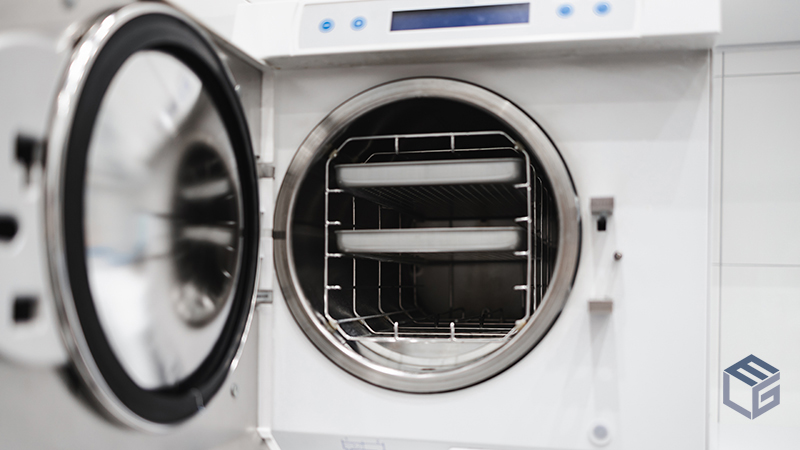
EtO is a colorless gas that can sterilize many kinds of medical devices, including surgical instruments, ventilators, and catheters. EtO is the most effective sterilizing agent because, as an alkylating agent, it can kill most microorganisms by damaging their DNA, RNA, and proteins. For the same reason, ethylene oxide is highly toxic to humans, and close contact can cause irritation or burns. Long-term exposure to EtO for workers and nearby residents of facilities has been linked to an increased risk of developing cancer.
Ethylene oxide is used to sterilize 50% of medical devices in the U.S.
The medical industry heavily relies on ethylene oxide sterilization, making it extremely difficult to lobby for regulations that reduce EtO use. While only a small proportion of total ethylene oxide is used in sterilization, it's potent and strong enough that industries use EtO to produce about 50% of all sterile medical devices in the U.S., which amount to about 20 billion devices annually. On top of medical equipment, EtO is also used to sterilize food products, spices, dried herbs, dried vegetables, and seeds.
Just like its widespread use, the dangers of EtO exposure to communities are present in many U.S. states. In 2023, the Union of Concerned Scientists found that more than 14 million residents are within 5 miles of a commercial sterilization facility. Over 10,000 schools and childcare centers can be found in the same area.
EtO: A potent carcinogen posing public health risks in hundreds of facilities
Your risk of developing cancer from EtO exposure depends on the EtO levels in the air, the duration of exposure to contaminated air.
- Risk to workers and nearby residents: For one million people exposed to EtO in the air, 100 or more would develop cancer from the exposure. These people include workers in facilities that do not directly handle EtO, workers who work near sterilization facilities for their entire career (at least 35 years), and residents who live near sterilization facilities for their whole lives (at least 70 years).
Additionally, EtO facilities located near residential areas pose a high risk to communities whenever workplace accidents occur. For example, an explosion in a Sterigenics sterilization chamber in 2004 (where EtO reacted with an oxidizing agent) caused injuries to four workers in the facility.
Get a free case evaluation of your ethylene oxide claim
The facts and figures mentioned above highlight the widespread use of EtO in the US and the health risks it poses to the people involved. If you lived near an EtO sterilization facility and were later diagnosed with cancer, you may have grounds to file a claim. ELG's legal team of toxic exposure attorneys and an industrial hygienist can help you build a strong ethylene oxide claim for cancer against a corporation. We can evaluate your case to see if you're eligible to file a claim.