
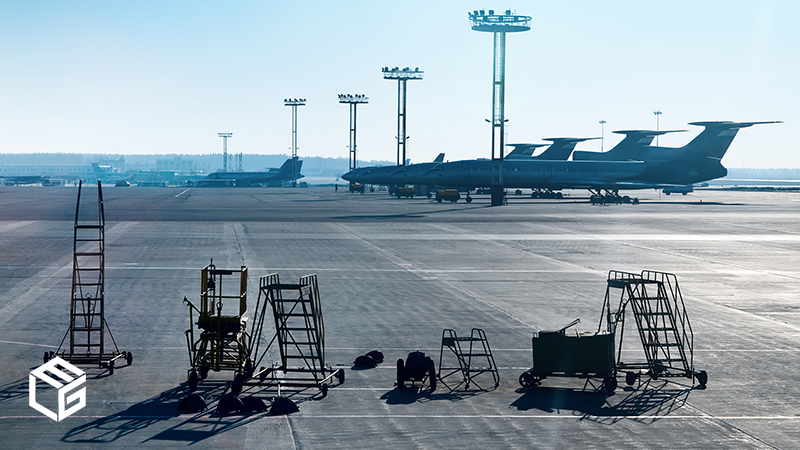
The US Air Force takes pride in effective aerial refueling, showing its competitive air power. However, these tanker bases have also become dangerous exposure zones for veterans and military firefighters because of the frequent and heavy use of AFFF for operations and emergencies.
US tanker bases are sources of high exposure to AFFF for military firefighters
In 2026, the US is still operating the world’s biggest aerial tanker fleets, with tanker aircraft like the KC-135 Stratotanker and the versatile KC-10 Extender. The KC-135 has been the Air Force’s main refueling tanker since 1957. High volumes of firefighting foam (up to 10,000 gallons of AFFF mixture) are needed to be on standby and are used in firefighting training to prepare these bases for operations and emergencies, including leaks and explosions. These high-exposure locations include the following active tanker bases:
- McConnell Air Force Base. This is one of the major refueling hubs in the US with continuous refueling operations for KC-135 and, more recently, KC-46 Pegasus.
- Fairchild Air Force Base. This tanker base is also known for operating as a KC-135 tanker base, and AFFF has been extensively used in operations from the 1970s to 2016.
- Altus Air Force Base. This base is known as a training hub for reueling operations and serves as a home to the 54th and 56th Air Refueling Squadrons.
- McGuire Air Force Base (Joint Base McGuire-Dix-Lakehurst): This logistics tanker hub hosts both KC-135 and KC-10 tankers.
- Travis Air Force Base: This base is known for critical operations for the KC-10 Extender and the new KC-46A Pegasus. Travis is also a training ground for emerging techniques like hot pit refueling, where military personnel refuel aircraft as soon as it lands, without even waiting for engine shutdown.
Tanker bases with historical use of toxic firefighting foam
Due to the latency period of most types of cancer, many veterans and military firefighters who have been recently diagnosed with AFFF-linked diseases were likely exposed years or decades ago. You can file a claim for linkable cancers from exposure at tanker bases with historical AFFF use. Some of these tanker bases are still active, have transitioned to other functions, or have closed, including:
- March Air Force Base, which is now known as the March Air Reserve Base
- Barksdale Air Force Base
- Pease Air Force Base, which had been closed since 1991
- Plattsburgh Air Force Base, which had been closed since 1995
Some of these bases, like the March Air Reserve Base, are currently transitioning to operate refueling missions for KC-46A Pegasus. The Department of Defense has been pushing efforts to phase out AFFF and move to fluorine-free alternatives, but not all military installations have caught up yet. It takes months to years to clean up AFFF-contaminated equipment and dispose of reserved AFFF stocks, and using fluorine-based foam is still allowed in emergencies. Because of this, traces of forever chemicals in AFFF are still being detected by environmental groups at military bases all over the country.
Exposure to forever chemicals through AFFF at tanker bases
If you served as a military firefighter who responded to aerial refueling emergencies or used firefighting foam in training, you were likely exposed to toxic chemicals in AFFF. If you have been diagnosed with any of the following conditions, your service history records are a crucial foundation for your AFFF exposure claim:
ELG Law can help you file a claim for AFFF exposure at tanker bases
ELG Law has been assisting toxic exposure victims for over 35 years, including veterans and military firefighters. Aside from filing an AFFF claim, we can also help you file a VA disability claim for your service-connected condition. We understand how grueling the filing process for these claims can be, and our toxic exposure lawyers are ready to file the paperwork on your behalf. To start the process, we only need to check your medical records and military records showing your length of service and duties at a US tanker base.