-
About »
- Insulin MDL
-
Cases »
- Diseases
- Testimonials
- Government
- Contact
- Get Help Now
-

Research papers have pointed toward ethylene oxide (EtO) exposure as a possible cause of lung cancer. This harmful chemical is generally used in facilities for sterilization. Individuals with the highest risk are workers at EtO-using facilities and residents near such establishments.
In recent years, people have filed their EtO exposure claims, and many have been awarded settlements. If you plan to file a claim, know that lung cancer claims related to EtO exposure are limited to non-smokers. Consult with an experienced lawyer at ELG Law for legal assistance in filing your EtO claim.
Claim ApplicationA peer-reviewed paper suggests the likely connection between EtO exposure and lung cancer, as well as other kinds of cancer. Aside from this, other studies have revealed how EtO exposure can lead to the development of tumors in the lungs.
Both the IARC and the EPA have confirmed that ethylene oxide is a Group 1 carcinogen, meaning that EtO is carcinogenic to humans, and while there are current efforts made to control EtO emissions, the new regulations may have arrived too late for some individuals.
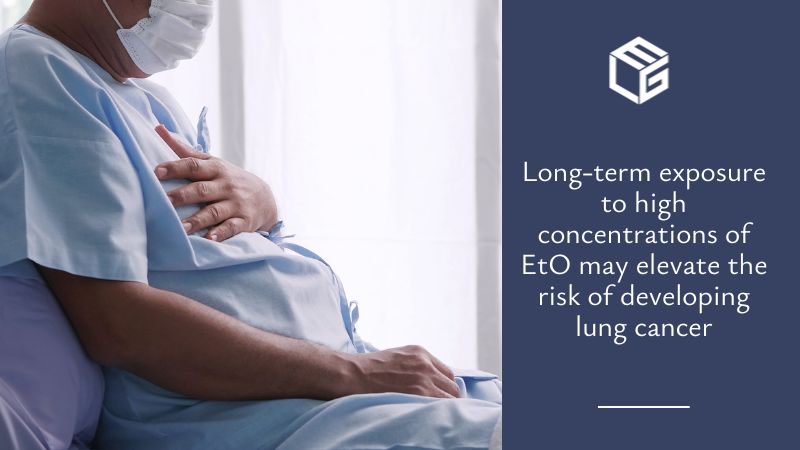
People with the greatest risk of EtO exposure include workers at EtO facilities and residents near facilities that release EtO. Long-term exposure to high concentrations of EtO may elevate the risk of developing lung cancer. The following are the common symptoms of lung cancer:
Today, many victims are coming forward and filing their claims for EtO-related lung cancer. If you are a non-smoker and your lung cancer diagnosis is linked to either occupational or residential exposure to ethylene oxide, you might qualify to file a claim. On the other hand, relatives of a non-smoker victim who passed away as a result of EtO-related lung cancer may be eligible for financial compensation.
Ethylene oxide triggers cancer through a clearly documented process involving direct damage to cellular DNA. Scientists and regulatory agencies acknowledge this genotoxic pathway as the main way EtO causes cancer in multiple organ systems, including the lungs.
When a person inhales ethylene oxide, the gas enters lung tissue and the bloodstream, distributing throughout the body. EtO functions as a direct-acting alkylating agent, meaning it chemically binds to DNA without requiring metabolic activation. This chemical reaction forms DNA adducts, which are abnormal bonds between EtO molecules and DNA bases, particularly guanine. These adducts interfere with normal DNA replication, causing cells to make copying errors that result in mutations.
The damage extends beyond individual mutations. EtO exposure increases several markers of genomic instability in exposed cells:
When mutations build up in genes controlling cell growth and division, especially oncogenes and tumor suppressor genes, affected cells can start replicating without normal controls, triggering tumor development.
Long-term inhalation research in rodents has demonstrated that chronic EtO exposure produces tumors in multiple tissues, including the lungs. These animal studies provide biological evidence that the mutagenic mechanism can specifically cause lung cancer when exposure occurs through inhalation over extended timeframes.
Several factors make lung cancer harder to demonstrate in human studies of EtO exposure:
Even with these epidemiological challenges, biomarker studies have found DNA adducts in exposed workers, proving that the mutagenic process happens in humans the same way it does in lab animals. The U.S. Environmental Protection Agency classifies EtO as carcinogenic when inhaled long-term, highlighting DNA damage as the main toxic mechanism.
How ethylene oxide exposure leads to lung cancer risk follows a simple biological sequence. When you breathe it in, EtO reaches lung tissue and enters the bloodstream. The chemical then reacts directly with DNA, forming adducts that trigger mutations.
Cell growth safeguards fail as mutations accumulate in regulatory genes. Without proper controls, cells divide relentlessly. In animal models, this process creates lung tumors. In humans, the same genotoxic mechanism clearly causes cancer in other tissues and remains biologically plausible for lung tissue.
A lung cancer diagnosis brings several challenges, such as physical pain, emotional stress, and financial burdens. If your lung cancer is linked to EtO exposure, you may seek financial compensation for the pain, losses, and damage your illness has caused you. Talk to our legal team at ELG Law to get the proper legal support you need to file your claim.
Bereaved family members of deceased EtO exposure victims may also be eligible to file a wrongful death claim. To learn about your legal options, consult with one of our skilled EtO attorneys. The documents we will need to assess your case include the victim’s employment or residential records and medical documents.
Monday – Friday
8:00 AM – 5:00 PM
Saturday & Sunday
Closed
