
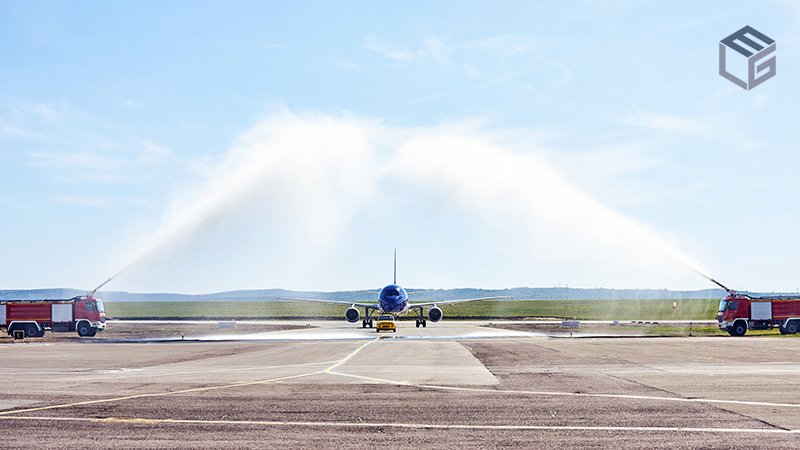
It all began back in 2020 when Minnesota began slowly reducing and restricting the use of this foam. Other states have enacted similar bans or restrictions on AFFF, citing the dangers of per- and polyfluoroalkyl substances (PFAS). These ‘forever chemicals’ persist in the environment, as well as accumulate in living tissue and in the bodies of people repeatedly exposed to them. Firefighters, however, are among the most vulnerable groups.
While eliminating the use of AFFF in airports marks a victory for future firefighters in Minnesota, this milestone cannot erase a troubling reality. Hundreds, if not thousands, of firefighters have spent years, sometimes entire careers, working with and around AFFF. For many of them, the damage may already be done.
There are approximately 21,000 firefighters in Minnesota. The numbers include those deployed at the state’s major airports: Rochester International Airport, Bemidji Regional Airport, Range Regional Airport, Thief River Falls Regional Airport, and Brainerd Lakes Regional Airport.
Among the most at-risk are those who served in aircraft rescue and firefighting (ARFF) roles, where AFFF use was routine, mandatory, and frequent. Additionally, firefighters tasked to carry out drills and training exercises are equally at risk.
The ban on AFFF in Minnesota airports may be recent, but the exposure is not. For the firefighters who spent years on the front lines before January 1, 2026, PFAS may have been quietly accumulating in their bodies for decades. However, many may already be living with diseases or severe health conditions directly tied to their AFFF exposure, or worse, may not know it yet.
The science behind AFFF's harmful effects on human health
Research has consistently shown that PFAS compounds accumulate in the body over time, posing significant risks to human health. Studies have specifically linked PFOA and PFOS, two of the most common PFAS found in AFFF, to disruptions in normal organ function. In fact, the International Agency for Research on Cancer (IARC) has even classified PFOA and PFOS as carcinogenic and potentially carcinogenic.
Some of the illnesses linked to PFAS exposure include:
However, symptoms of these diseases often do not manifest immediately. According to research, one of the most alarming aspects of PFAS-related illness is its latency. In simpler words, symptoms can take between 10 and 30 years to emerge after initial exposure. For firefighters, this means that they may still be at risk of facing serious health consequences even if they haven’t been near AFFF for years.
Filing an AFFF exposure claim: What are the next steps
A diagnosis of illnesses related to routine AFFF exposure is devastating. But it doesn't have to be the end of the road. To protect your rights, consider taking these steps.
- Document your exposure history
- Get a medical evaluation
- Consult an AFFF attorney
For many firefighters and their families, filing AFFF exposure claims may offer a path not only to justice but also financial and psychological relief.
Any diagnosis of a serious illness is overwhelming, but you don't have to face what comes next alone. If you or a loved one has developed a serious illness following years of AFFF exposure, our lawyers are here to help. Contact us today to learn how to get started.