
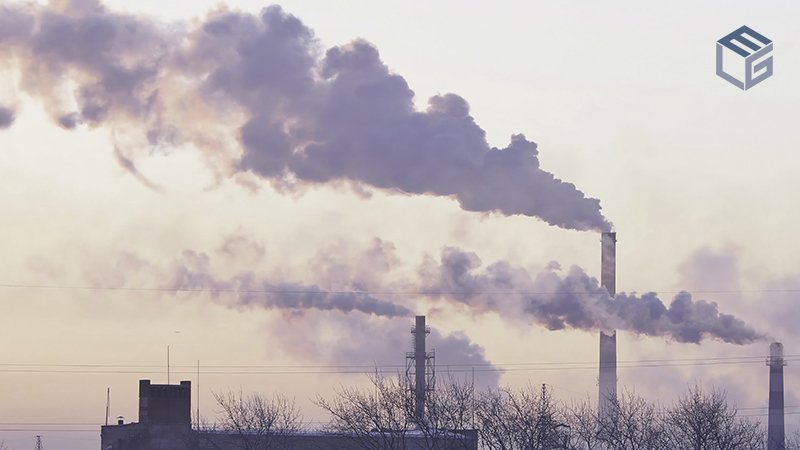
It also called for air monitoring and verification of pollution control measures, with a particular emphasis on safeguarding communities located near these facilities. The rule was driven by EPA findings that EtO is a known human carcinogen and that people living near sterilization plants face elevated lifetime cancer risk. This included communities near facilities operated by companies like Steris and DeRoyal, many of which are located near residential neighborhoods. In March 2026, the same EPA that admitted the air in communities near these facilities was dangerous enough to require a 90% emissions cut proposed rolling back those protections.
What the rollback changes
The 2026 proposal rescinds or weakens the 2024 emissions standards and removes or relaxes requirements such as continuous emissions monitoring, total enclosure systems, and certain vent control technologies. The rollback dismantles the legal foundation that had supported more stringent restrictions, essentially erasing the structure that mandated significant reductions in emissions.
The process is still unfolding. The rollback is currently in the rulemaking stage, and the public can weigh in until May 1, 2026. A public hearing is scheduled for April 1, 2026. This timeline offers communities, advocacy groups, and families impacted by the changes a genuine chance to voice their opinions and potentially shape the final decision.
Why this matters for residential communities
The 2024 rule was explicitly designed to protect people living near sterilization plants, schools, and neighborhoods in proximity to emissions. Rolling it back means higher allowable emissions, less stringent monitoring, and greater reliance on facility discretion.
Ethylene oxide exposure is not hypothetical. It is linked to breast cancer, lymphoma, lung cancer, and other cancers. Risk comes from chronic inhalation over years or decades. The 2024 regulation aimed to address these risks right from the start. Reversing it brings back uncertainty, along with the possibility of greater exposure.
AP News and advocacy groups point out that EtO facilities are heavily concentrated in minority and lower-income communities that already face disproportionate exposure risks. Weakening protections could make existing disparities worse and push cumulative exposure burdens higher for those least able to bear them.
Workers versus communities: A critical divide
One of the most important angles of this rollback involves who remains protected. The EPA argues the rollback is necessary to protect the medical device supply chain, ensure continued sterilization of critical equipment, and reduce compliance costs for facilities.
Employees within these facilities are still subject to occupational safety regulations. But nearby residents rely on environmental regulations for protection. When environmental rules are weakened, community protections are reduced first.
This situation creates a difference: industrial operations continue, and workers have protections, while families living nearby face the remaining risks. Critics argue that prioritizing supply chain needs over community health unfairly places the burden on people who didn't choose to live near these facilities.
Lawsuits and facility closures
Lawsuits and plant shutdowns have already plagued companies such as Sterigenics, all stemming from ethylene oxide emissions. These legal battles frequently center on residents diagnosed with cancer, those who lived near the facilities for extended periods, and allegations that the emissions posed a significant health risk, yet were inadequately managed.
The rollback may affect future liability arguments and shift regulatory standards used in litigation. When the Environmental Protection Agency (EPA) weakens emission standards, even though they were previously deemed necessary to protect public health, it raises questions about how well facilities followed the stricter rules during the time they were in place.
The core tradeoff driving the rollback
Two priorities are pulling in opposite directions here. Public health advocates want stronger controls on EtO, pointing to the increased cancer risk it poses to nearby communities. Industry representatives and EPA officials push back, arguing that EtO sterilizes around half of all medical devices and that heavy restrictions could create supply chain problems and push costs higher.
These communities didn't ask to be in this position. Families living near these facilities didn't choose to be close to industrial operations, and moving isn't a realistic option for most of them. They have to rely on environmental regulations to shield them from a carcinogen they can't see, smell, or protect themselves from on their own.
Get expert legal help with ELG Law for your EtO exposure claim
The EPA's decision to roll back stricter standards doesn't wipe out what the science has already established. If you live near a DeRoyal or Steris and have been diagnosed with cancer, the 2024 finding that these emissions posed elevated cancer risks remains valid and hasn't been scientifically disputed.
Exposure that occurred in earlier years, when these facilities operated with fewer controls, may still support a legal claim. ELG Law has spent over 35 years representing victims of toxic exposure. If you or a family member developed cancer while living near an ethylene oxide sterilization facility, reach out for a free case evaluation to find out whether you may qualify for filing an EtO exposure claim.