
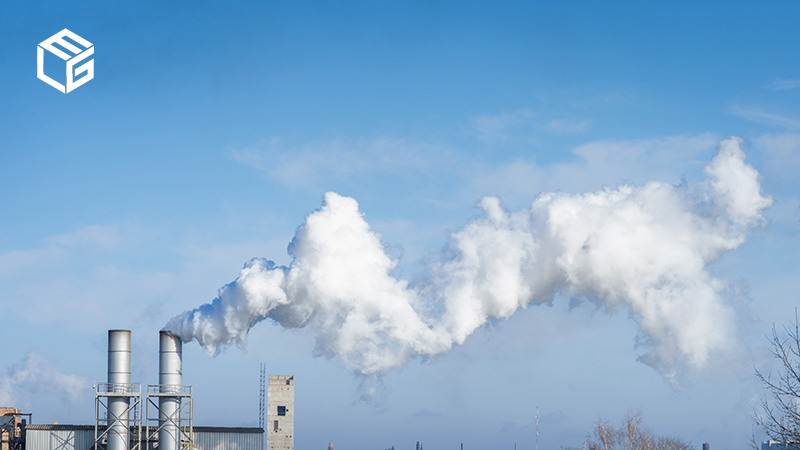
The Sterilization Services of Virginia facility at 5674 Eastport Boulevard has been operating for decades and may have exposed residents and workers to high concentrations of toxic gas without their knowledge. The facility sterilized medical equipment by using a colorless and odorless gas called ethylene oxide (EtO) to kill microorganisms. In 2022, the Sterilization Services of Virginia was one of the many facilities across 13 states that were warned by the US Environmental Protection Agency (EPA) for potentially releasing harmful levels of this chemical into the air.
Sterilization Services of Virginia may have exposed residents of Sandston, Montrose, and Highland Springs
Residents have frequently seen trucks of medical equipment coming in and going out of the facility without realizing the invisible dangers of the gas used for sterilization. While the facility may be in compliance with regulations that used to be less strict, the risk to the community is most relevant for individuals who live nearby, especially over extended periods of time.
The Union of Concerned Scientists has identified Richmond, Virginia, as a hazardous hotspot due to the presence of multiple sterilization facilities that are relatively close to each other. Communities within several miles of the Eastport Boulevard facility, including Sandston, Montrose, Highland Springs, and parts of Oakland, fall within the general exposure zones. According to the Union, the Sterilization Services facility endangers at least 109,000 people near the facility and exposes over 100 schools and childcare centers nearby. Just in the year 2021, the facility released over 5,000 pounds of ethylene oxide emissions.
Understanding cancer latency: How ethylene oxide exposure puts you and your family at risk
Ethylene oxide is a known carcinogen linked to cancers of the blood, like leukemia and non-Hodgkin’s lymphoma, as well as breast cancer. Because EtO is a mutagen, it causes cancer by damaging the structure of a cell's DNA. Small amounts inhaled consistently over time may increase cancer risk, meaning the concern is not a single instance of inhalation, but repeated exposure over many years.
The health effects of EtO exposure often remain invisible for years because these cancers have long latency periods. Solid tumors like breast cancer may take 10 to 30 years to develop. Blood cancers may appear after several years of sustained exposure. This delay means a person who grew up or lived near the facility years ago may only receive a diagnosis much later in life. Relocating from Henrico does not automatically remove the possibility of future legal claims as long as you have proof of exposure and meet the qualifications.
Who may qualify for an ethylene oxide claim in Henrico?
You may be eligible for an ethylene oxide claim evaluation against Sterilization Services of Virginia if you meet the following requirements:
- Residence: You lived within approximately three miles of the Henrico sterilization facility.
- Diagnosis: You have been diagnosed with cancer after living near the facility:
- Leukemia
- Non-Hodgkin's lymphoma
- Lymphoma
- Multiple myeloma
- Breast cancer (male, female)
Ethylene oxide claim: Get a free case evaluation from an ELG Law attorney
If you’ve lived within three miles of Sterilization Services in Virginia and are now facing a cancer diagnosis, you may be eligible to file an EtO exposure claim. ELG Law’s environmental exposure attorneys can assess your claim and check whether you’re qualified to pursue compensation. Contact us as soon as possible so we can check your documentary requirements, including your proof of residence and medical records. If you’re eligible, we can take over the complex filing process so that you can focus on getting treatment for your diagnosis.