Bronchial cancer, also referred to as bronchial adenoma, is a rare type of lung cancer that develops in the ducts and mucous glands of the bronchi, the large central airways of the lungs. While this type of cancer has been associated with smoking, there are other causes, including environmental exposure to carcinogen,s including asbestos fibers at worksites. If you or your loved one has been diagnosed with bronchial cancer and has been working around asbestos while on the job, get in touch with our asbestos lawyers to file a claim.
Claim EvaluationWith a bronchial cancer diagnosis, you have immediate eligibility and our staff and attorneys will prioritize your cases for expedited processing. You will not be required to travel and a family member will be able to handle the paperwork on your behalf.
At least 13-29% of lung cancer cases that are reported in men have been related to exposure on the job to harmful chemicals, including asbestos. Most bronchogenic cancer cases, around 80%, are non-small cell type, and about 15% are small-cell type of lung cancer. Industrial application of asbestos increased a thousand times in the past century and is considered the mineral of the 20th century. Due to the long latency period that may vary from 20-50 years, asbestos-related bronchial cancer is one of the leading causes of cancer-related death at the present time.
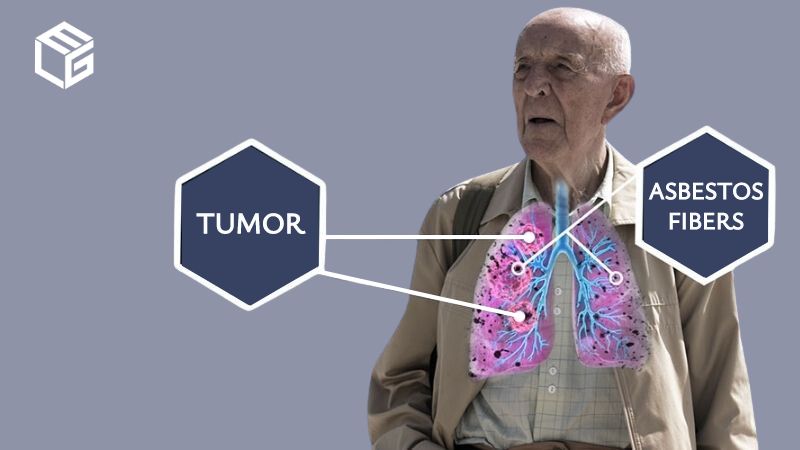
People with occupations that involve mining and processing of naturally occurring asbestos, production of asbestos-containing products, and installation of asbestos insulation, or even renovation of older buildings, are surrounded by dust made up of tiny asbestos fibers, which they inhale on a daily basis for several years. Once the asbestos fibers gain entry into the respiratory tract, they get embedded into the airways of the lungs quite easily. Moreover, our body is incapable of getting rid of these tiny fibers, and eventually, a large amount of deadly asbestos fibers becomes entrapped in the lungs. This leads to a gradual inflammatory process, scarring, and malignant transformation of lung tissues over the years.
The symptoms of bronchial cancer are a result of bronchial obstruction and may include the following:
Sometimes, there could be delays or even misdiagnosis of bronchial cancer, as the signs and symptoms caused by these tumors are nonspecific and quite similar to the symptoms of asthma. Additionally, the X-rays of the chest are unremarkable at the initial stages. Most commonly, the cancer of the bronchus is clinically significant due to obstruction of the airways, but it tends to mimic symptoms of asthma, pulmonary infection, and chronic obstructive pulmonary disease (COPD).
When bronchial cancer does not cause airway obstruction, there may not be any symptoms at all. Most studies report that 25% of patients with bronchial tumors are asymptomatic, and as a result, these tumors are found incidentally. Therefore, the initial stages of bronchial cancer are more likely to be wrongly diagnosed. If you have been exposed to asbestos at your workplace in the past, it is important to closely monitor your health and consult your doctor if you note any changes.
Do mention your history of asbestos exposure to your doctor, as it will help to derive a more accurate diagnosis. Additionally, once you receive a diagnosis from your doctor, we strongly recommend seeking a second opinion from a specialist in asbestos-related diseases. This will help you avoid misdiagnosis and inappropriate treatment.
Asbestos exposure has been associated with occupational and military asbestos exposure, and our attorneys have the necessary experience, knowledge, and resources to handle these cases. If you or your family member has been diagnosed with bronchial cancer, we strongly recommend getting in touch with our specialized attorneys as early as you receive a definitive diagnosis. Veterans struggling with bronchial cancer as a result of military asbestos exposure must provide our legal team with their military records, which they must retrieve, and their medical records if they intend to file a claim. These documents will represent the starting point for our attorneys to evaluate your case.
>The family members of people who were working around asbestos during the past century are most likely to be exposed to the carcinogenic asbestos fibers, and this type of indirect exposure is referred to as secondary asbestos exposure. This was quite widespread as exposure to asbestos occurred unknowingly while laundering asbestos-laden clothes that were worn to work or while greeting a person wearing asbestos-laden clothes on returning home. Secondary asbestos exposure accounts for 10% of patients with asbestos-related diseases who have never worked with asbestos directly. However, most of these patients did have a family member who was involved in handling asbestos at the workplace. Therefore, if you have been diagnosed with bronchial cancer and have a family member who worked with asbestos, there is a high chance that you are a victim of secondary asbestos exposure, for which you can claim financial compensation from asbestos trust funds. Our attorneys will help you pursue the claim and obtain maximum compensation.
Often, the victims of asbestos exposure suffering from bronchial cancer tend to either refuse or postpone filing a claim during their lifetime due to factors such as poor health or a misconception about the legal process that it will be tedious and unmanageable. If you have lost a family member who had been diagnosed with bronchial cancer caused by asbestos exposure at work but had not filed a claim before passing away, you can claim financial compensation on their behalf. Our attorneys will promptly help you file a claim with one or more asbestos trust funds, and all you need to help us with is your family member’s death certificate, medical records, and employment records.
Our standard fee is 40%, and we work on a contingency fee basis. That means we only receive payment once we have successfully recovered compensation for you. If we are not able to recover financial compensation for you, no expenses will come out of your pocket.
Most bronchogenic cancer cases, around 80%, are non-small cell type, and about 15% are small-cell type.
