
Founded in 1813, J.P. Stevens & Company built one of the most extensive textile manufacturing operations in American history. By the time the company reached its peak, it ran approximately 85 plants employing around 45,000 workers across the Northeast and Southern United States. For generations, those workers produced fabric and textile goods that supplied major industries across the country. What the company did not disclose was that the mills where those workers spent their careers were filled with asbestos-containing materials.
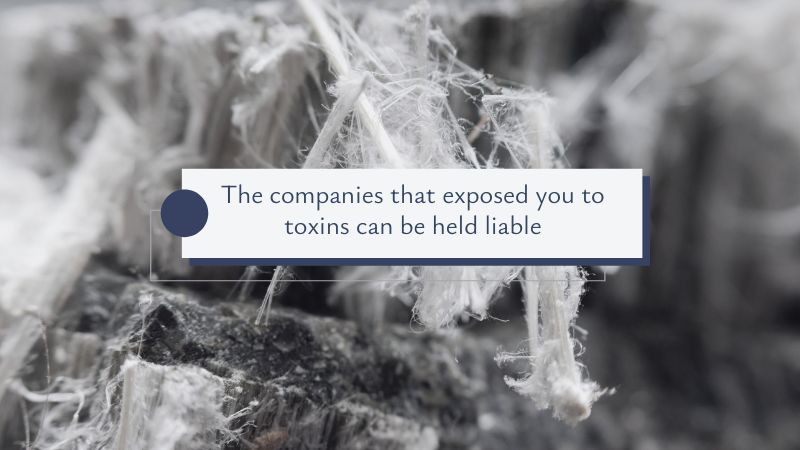
Claim EvaluationTextile manufacturing required sustained, high-temperature operations across spinning, weaving, dyeing, and finishing processes. Steam-powered machinery, industrial dryers, boilers, and processing equipment ran continuously throughout J.P. Stevens mills, and for much of the twentieth century, asbestos was the material manufacturers relied on to insulate and fireproof those systems. It was woven into the fabric of mill operations in ways that made exposure nearly unavoidable for workers across every department.
Production workers, maintenance crews, and tradespeople all encountered asbestos through different pathways. Workers operating looms and textile machinery worked near equipment insulated with asbestos-containing materials that degraded over time and released fibers into the air. Maintenance crews who repaired boilers, replaced steam pipe insulation, or serviced mechanical systems had direct, repeated contact with asbestos products on a daily basis. Workers present during mill renovations and equipment installations were also at risk, as disturbing asbestos-containing building materials released fibers that could remain airborne for extended periods.
J.P. Stevens mills also produced and handled asbestos-containing industrial textiles, including heat-resistant fabrics, tapes, and protective materials used across manufacturing industries. This meant that for some workers, asbestos was not only present in the building around them but in the products they handled directly as part of their work.
The following occupational groups worked at J.P. Stevens facilities and may have been exposed to asbestos:
If you developed one of the following cancers as a result of working at a J.P. Stevens facility, you are eligible for compensation. If you are too ill to pursue a claim yourself, a family member can assist with the process. In the unfortunate event that you pass away before recovering compensation, your surviving family members may receive compensation on your behalf.
Lung Cancer MesotheliomaIf you are currently experiencing non-cancerous conditions such as asbestosis, pulmonary fibrosis, pleural plaques, pleural effusion, diffuse pleural thickening, COPD, pleurisy, lung nodules, lung spots, asthma, pneumonitis, tuberculosis, rounded atelectasis, or lung scarring, we strongly recommend seeking a second or third medical opinion. Misdiagnosis rates among people with asbestos-related conditions are high, and an accurate diagnosis is the starting point for any claim.
If a family member died from a disease connected to their time at a J.P. Stevens facility and never filed a claim, you may still have legal options. A wrongful death claim can be filed on their behalf, and the process is more straightforward than many families expect. Get in touch with our legal team. Tell us your situation and send us your employment information, medical records and your loved one’s death certificate.
Our lawyers will review these documents and determine whether you have a legitimate wrongful death claim. If it is, we will prepare and submit everything on your behalf. Any compensation recovered can go toward covering funeral costs, medical bills, and the broader losses your family has sustained.
Monday – Friday
8:00 AM – 5:00 PM
Saturday & Sunday
Closed
