
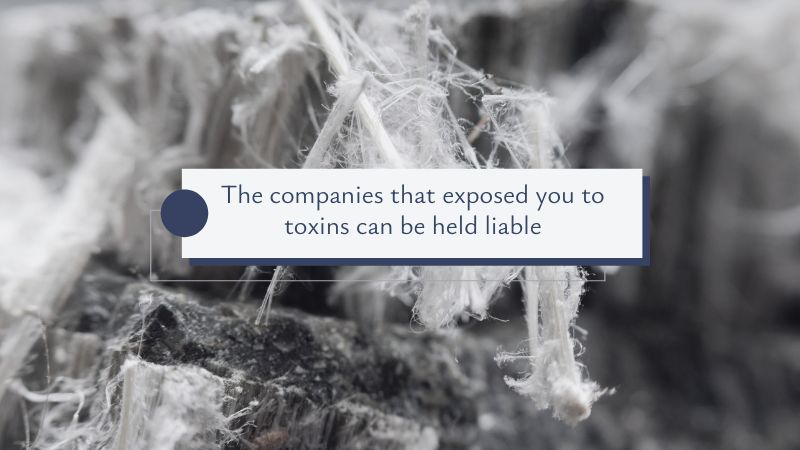
The Potlatch Corporation operated several pulp and paper manufacturing facilities across the United States, including major operations in Lewiston, Idaho, where its first pulp and paperboard mill began running in 1950, and in Arkansas City, Arkansas. For decades, these facilities produced paper products that supplied industries across the country, and the workers who kept those operations running did so without being told that the machinery, insulation, and building systems surrounding them contained asbestos.
Claim EvaluationPaper production is an energy-intensive process that depends on sustained high heat, steam, and pressure across every stage of manufacturing. Throughout much of the twentieth century, asbestos was the material of choice for insulating the boilers, steam lines, dryers, turbines, and processing equipment that kept paper mills running. Its heat resistance and fireproofing properties made it standard across the pulp and paper industry, and Potlatch facilities were no exception.
Potlatch mill workers came into contact with asbestos through the equipment they ran, the systems they serviced, and the buildings around them. Asbestos containing insulation, gaskets and packing materials deteriorated over time or were disturbed during repairs and shutdowns, releasing microscopic fibers into the air that workers inhaled without a clue it was happening.
Among paper mill workers, maintenance employees tend to have faced the greatest asbestos exposure due to the regular repair and replacement of insulation, machinery components, and steam systems containing asbestos. A Swedish study documented higher rates of pleural mesothelioma among former paper mill workers, many of whom had spent their careers in maintenance roles where asbestos equipment was a daily reality.
Potlatch workers in a variety of job classifications could have been exposed to asbestos, including:
Potlatch paper mill workers were exposed to asbestos during normal operations as well as during scheduled maintenance shutdowns. Steam system repairs, replacement of gaskets and packing, servicing of pumps and valves, and removal of insulation from boilers and dryers all presented a direct risk of exposure. Those helping with mill renovations or cleaning equipment during shutdowns also encountered significant exposure as asbestos-containing materials were disturbed and fibers became airborne.
Beyond maintenance activities, workers throughout the facility were at risk simply by spending years in buildings where asbestos-containing construction materials, ceiling tiles, floor tiles, and pipe coverings were present. Asbestos fibers that became airborne during any disturbance could remain suspended in the air for extended periods, reaching workers far from the original source.
Some of the machinery and equipment at Potlatch facilities most likely to have contained asbestos included boilers, steam pipes, digesters, paper dryers, drying machines, turbines, compressors, pumps, tanks, heat exchangers, valves, and electrical switchgear.
Workers who developed the following cancers as a result of occupational asbestos exposure at a Potlatch facility may be eligible for compensation. If your condition makes it difficult to pursue a claim on your own, a family member can step in to help. Should you pass away before compensation is recovered, your surviving family members will receive it on your behalf.
Lung Cancer MesotheliomaIf you have been living with a non-cancerous condition such as asbestosis, pulmonary fibrosis, pleural plaques, pleural effusion, diffuse pleural thickening, COPD, pleurisy, lung nodules, lung spots, asthma, pneumonitis, tuberculosis, rounded atelectasis, or lung scarring, we strongly encourage you to seek a second or even a third medical opinion. Non-cancerous asbestos-related conditions are frequently misdiagnosed, and an accurate diagnosis is the foundation of any claim.
If a family member died from a disease connected to their time working at a Potlatch facility and never filed a claim, you may still have legal options available to you. A wrongful death claim can be filed on their behalf, and the process is more straightforward than many families expect. Contact our legal team, share the details of your situation, and provide the employment records, medical records, and death certificate of your loved one. Our attorneys will review those documents and determine whether a wrongful death claim is viable. If it is, we will prepare and submit everything on your behalf. Compensation recovered may help cover funeral costs, outstanding medical bills, and the broader losses your family has experienced.
Monday – Friday
8:00 AM – 5:00 PM
Saturday & Sunday
Closed
