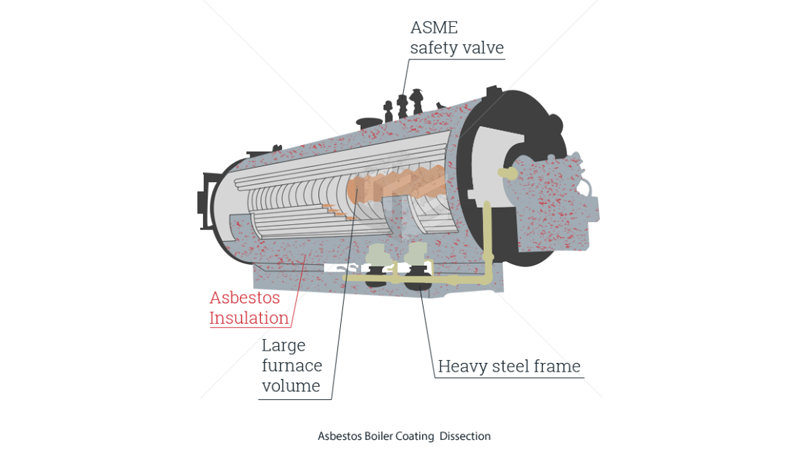
Many technicians who worked in healthcare facilities built before the 1980s are among those at elevated risk of developing an asbestos-related disease. While the equipment itself was the focus of their work, technicians regularly spent time in mechanical rooms, utility areas, and older hospital buildings where asbestos-containing materials were standard throughout much of the 20th century.
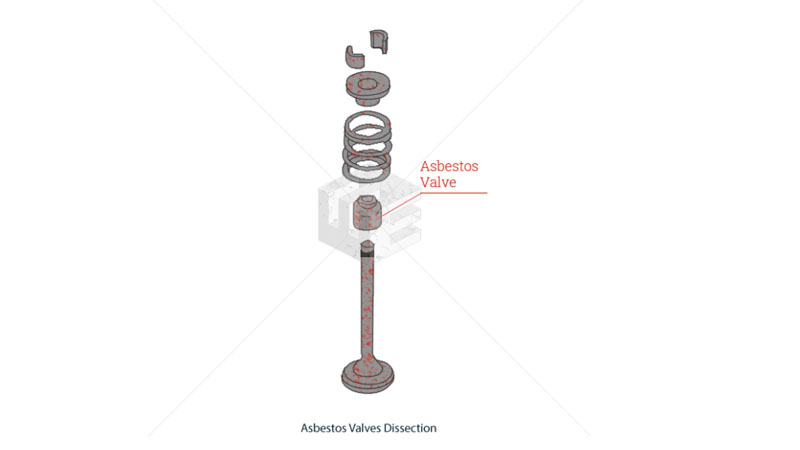
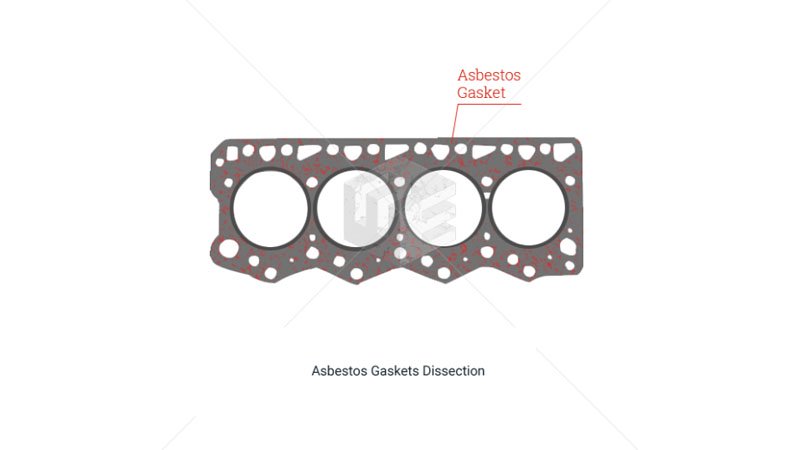
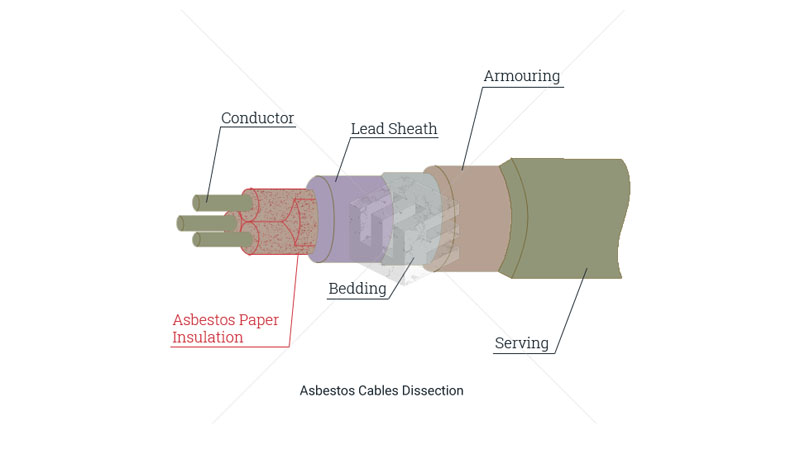
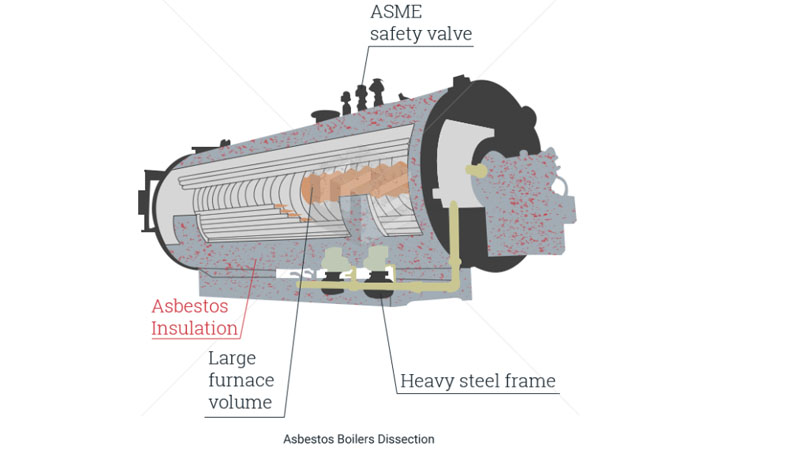
Medical equipment technicians would service steam sterilizers and autoclaves insulated with asbestos-containing gaskets, door seals, and thermal packing materials. They also worked near hospital boilers, steam lines, and utility tunnels where pipe and thermal insulation commonly contained asbestos. Older electrical and mechanical equipment, including control panels, heat shields, and insulating barriers, frequently contained asbestos components in the years before federal restrictions took effect.
Technicians who remained on-site during hospital renovations and equipment upgrades in older buildings were also at risk, as construction activity could disturb asbestos in ceiling tiles, floor tiles, pipe insulation, and fireproofing materials throughout the facility.
Due to the lack of appropriate protective gear and awareness of the dangers, medical equipment technicians would frequently inhale asbestos fibers during otherwise routine maintenance and repair work. Asbestos fibers are highly carcinogenic and persist in the body long after exposure ends.
The duties of medical equipment technicians that led to asbestos exposure included:
- Repairing and maintaining steam sterilizers and autoclaves
- Replacing asbestos-containing gaskets, seals, and packing materials
- Working around insulated boilers, steam pipes, and mechanical systems
- Servicing older hospital equipment manufactured before asbestos restrictions
- Installing or removing equipment during hospital renovation projects
- Entering mechanical rooms, utility tunnels, and maintenance areas in older facilities
Relevant job titles
- Biomedical equipment technician
- Clinical engineering technician
- Medical device technician
- Hospital equipment repair technician
Asbestos-related cancers eligible for filing a claim
Workers who developed the following cancers as a result of occupational asbestos exposure may be eligible for compensation. If your condition makes it difficult to pursue a claim on your own, a family member can step in to help. Should you pass away before compensation is recovered, your surviving family members will receive it on your behalf.
If you have been living with a non-cancerous condition such as asbestosis, pulmonary fibrosis, pleural plaques, pleural effusion, diffuse pleural thickening, COPD, pleurisy, lung nodules, lung spots, asthma, pneumonitis, tuberculosis, rounded atelectasis, or lung scarring, we strongly encourage you to seek a second or even a third medical opinion. Non-cancerous asbestos-related conditions are frequently misdiagnosed, and an accurate diagnosis is the foundation of any claim.